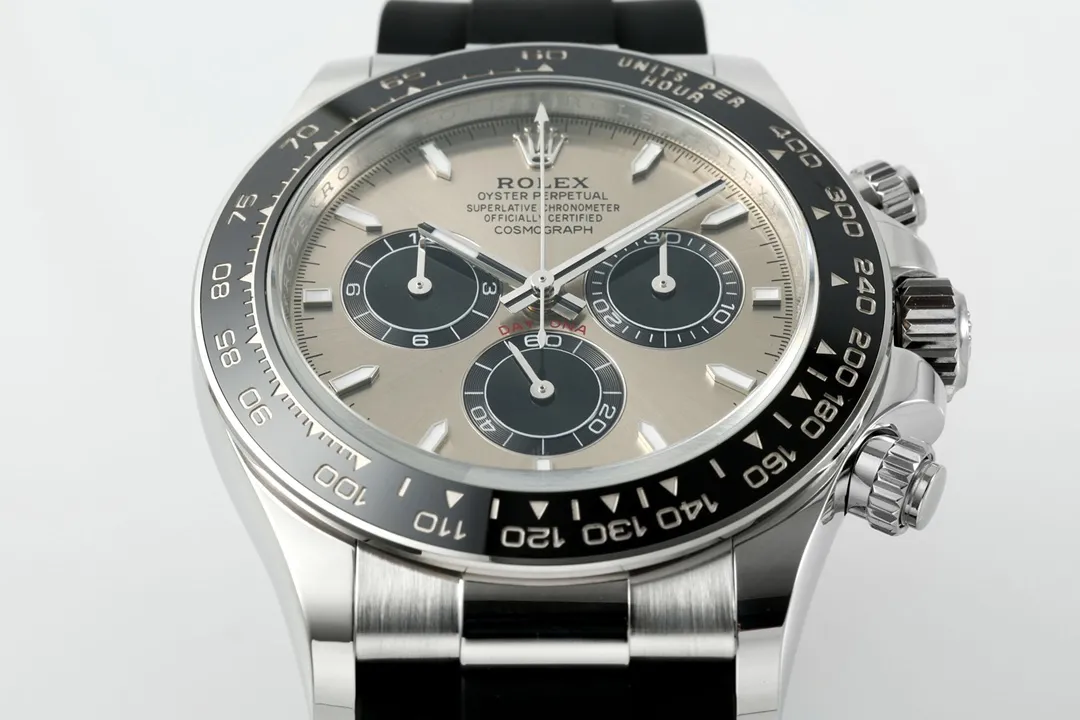
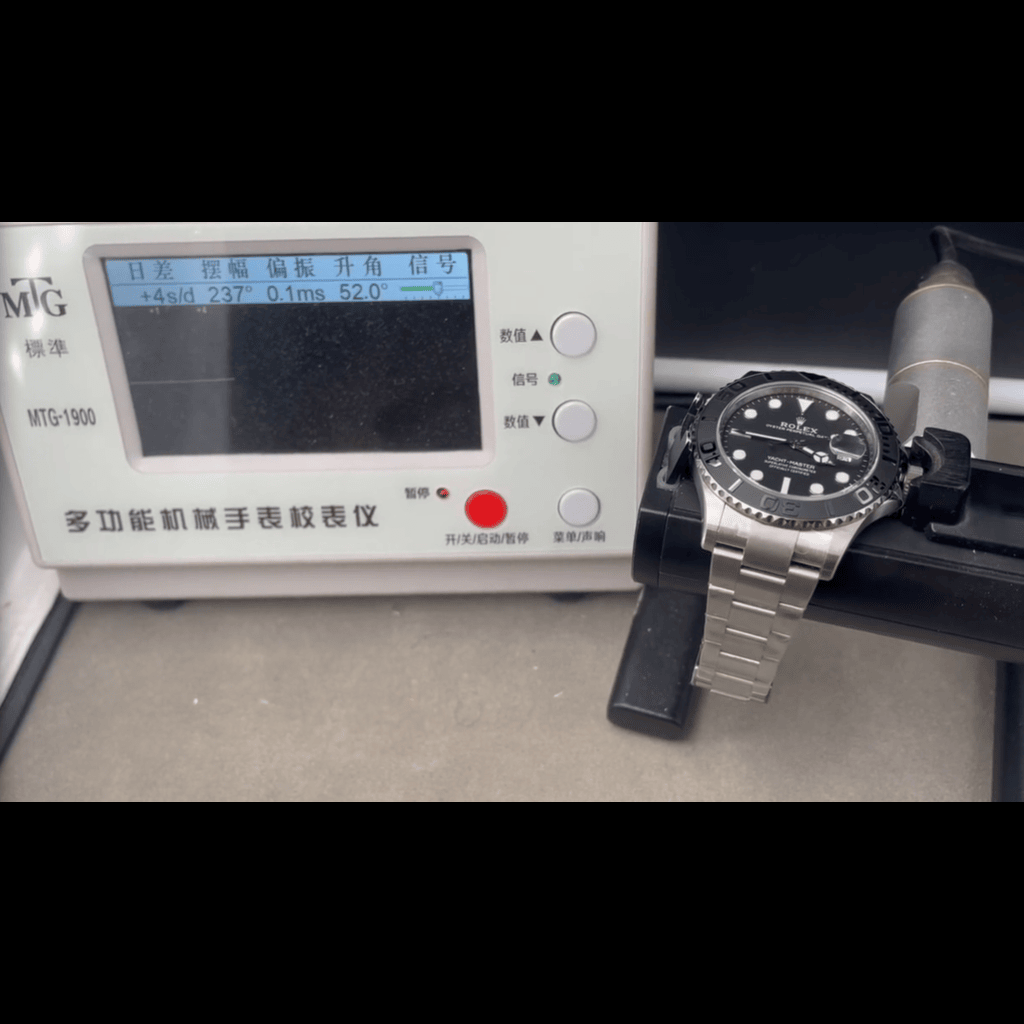
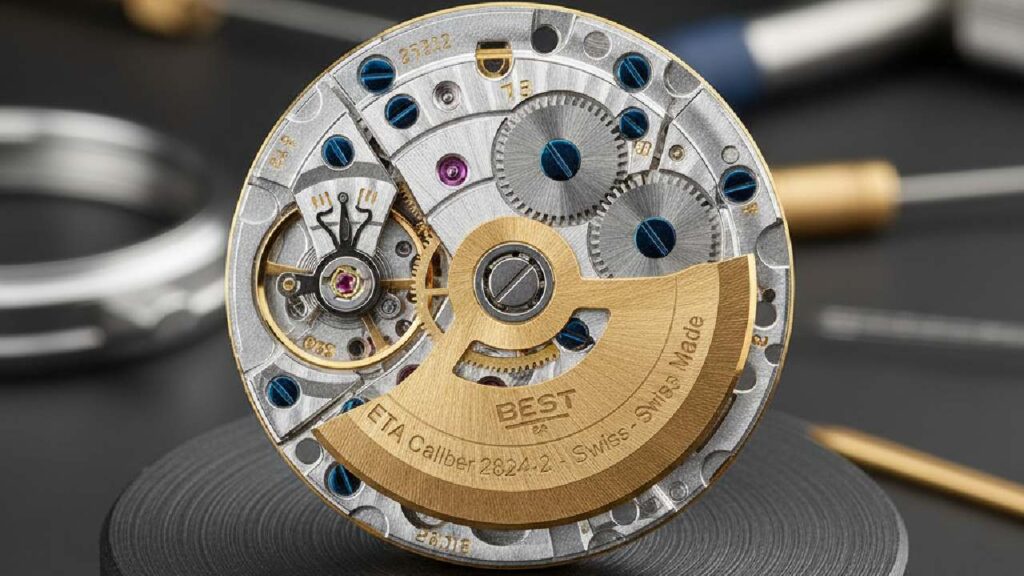
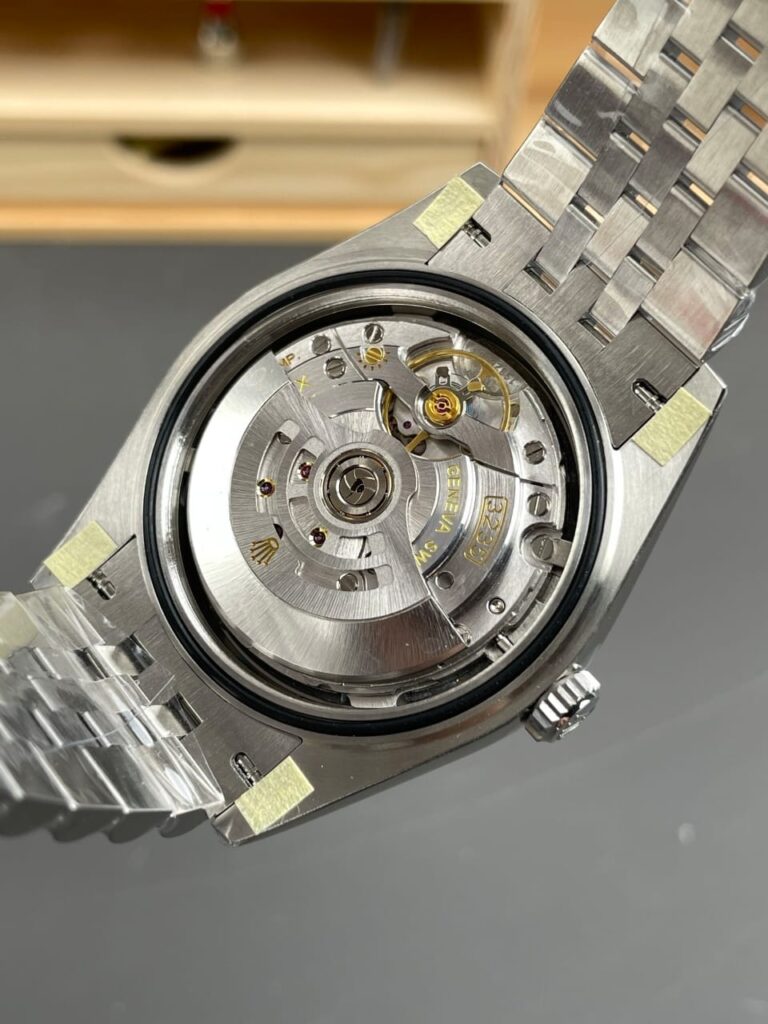
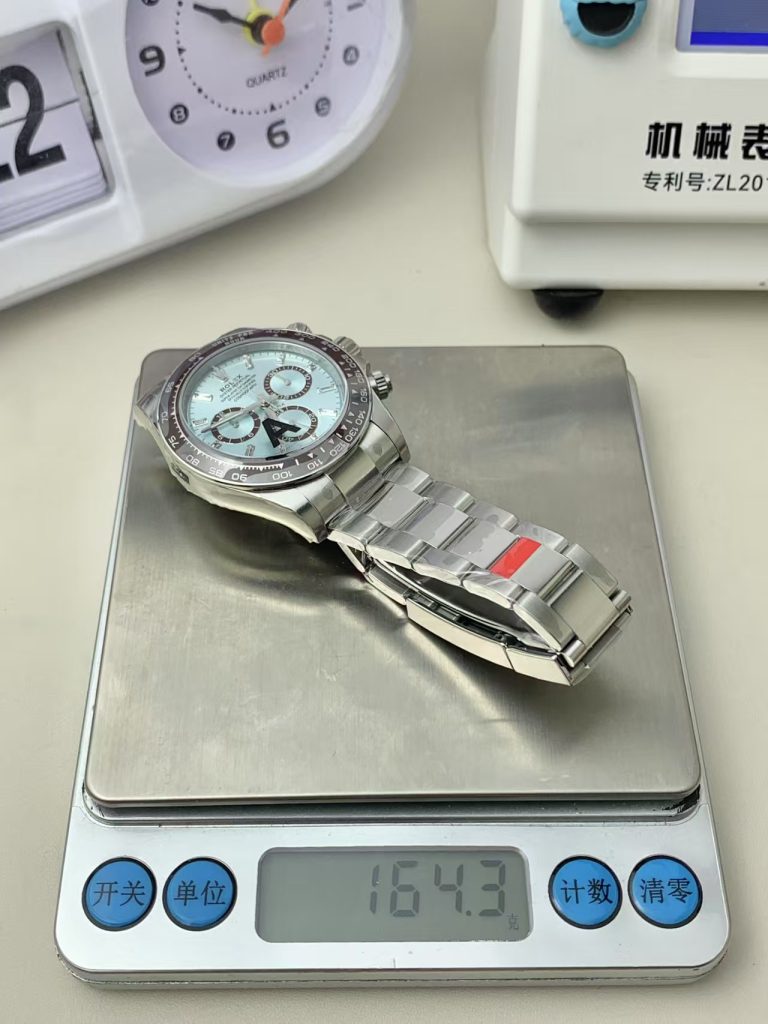
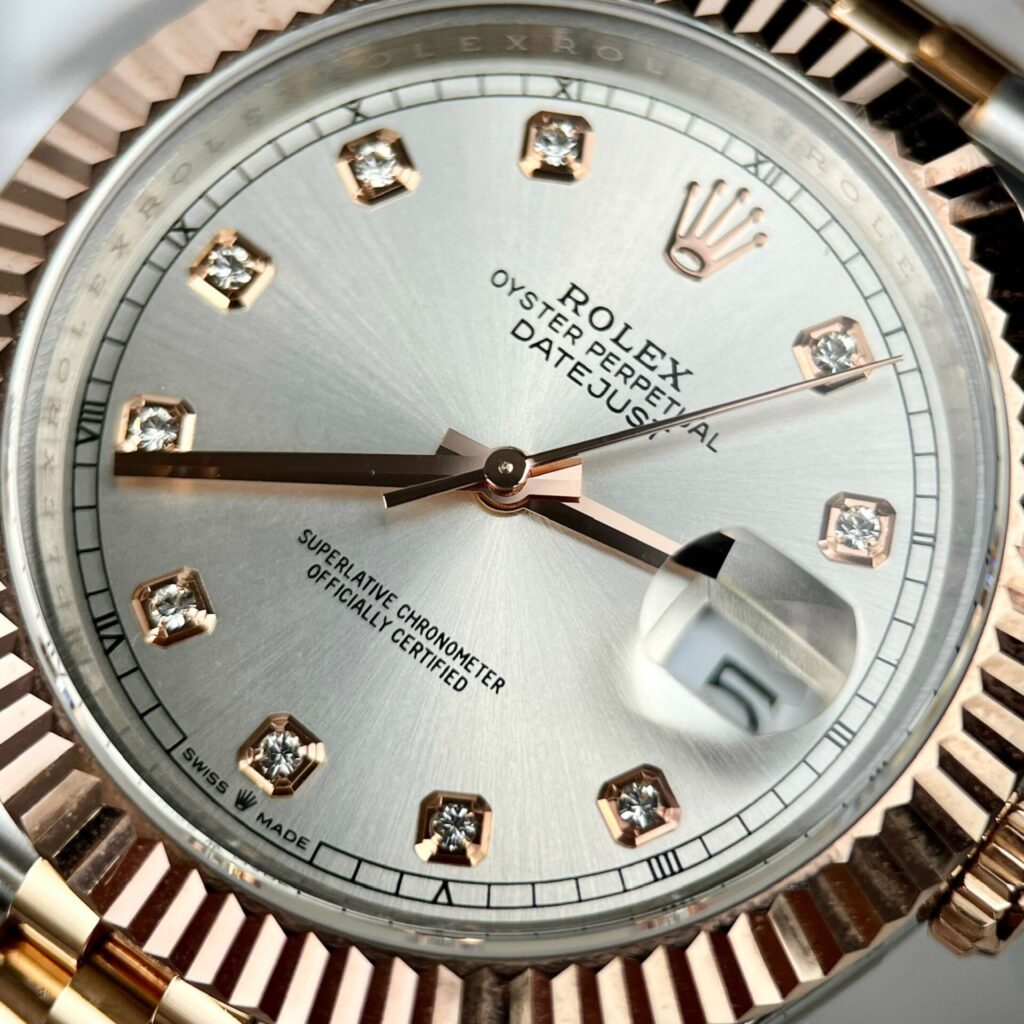
One of the biggest mistakes new buyers make is approving QC photos too quickly.
They look at the watch for thirty seconds, see that the logo is in the right place, and immediately send approval.
Then the watch arrives and they start noticing things that were visible in the QC photos the entire time.
That happens more often than people think.
The problem isn’t that buyers aren’t paying attention. It’s that most people don’t know what they’re supposed to be looking for.
Experienced buyers approach QC photos very differently.
They’re not looking for perfection.
They’re looking for problems.
That’s a completely different mindset.
What QC Photos Are Actually For
A lot of people misunderstand the purpose of QC photos.
QC photos are not marketing photos.
They’re not designed to sell the watch.
They’re designed to show you the exact watch being shipped.
That distinction matters.
Marketing photos show the best possible example.
QC photos show your actual piece.
That’s why experienced buyers spend much more time looking at QC photos than product listings.
The listing tells you what the watch should look like.
The QC photos tell you what you’re actually getting.
Don’t Start With The Dial
Most new buyers zoom directly into the dial.
Ironically, that’s usually the last thing experienced buyers check.
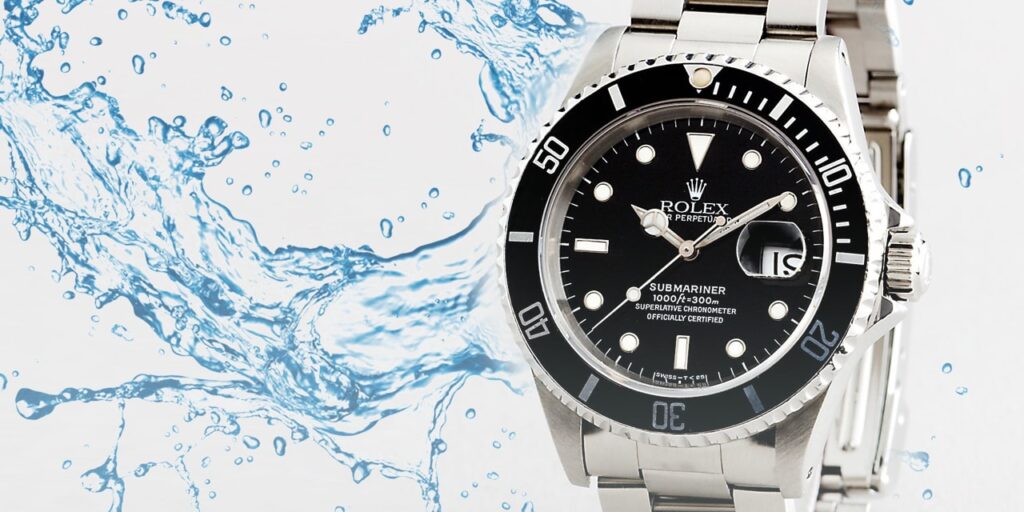
The first thing they look at is the overall watch.
Take a step back.
Look at the watch as a whole.
Does anything immediately look strange?
Does the watch appear balanced?
Does the bezel look aligned?
Does the bracelet look centered?
Can you spot anything unusual without zooming in?
Sometimes the biggest issues become obvious from a distance.
Once you start zooming immediately, it’s easy to miss larger problems.
Check Bezel Alignment First
One of the quickest things to verify is bezel alignment.
Look at the 12 o’clock marker.
Now compare it to the dial marker directly beneath it.
Do they line up properly?
Most quality factories do this well, but occasional misalignment still happens.
The good news is that bezel issues are usually easy to spot.
The bad news is that once you notice a misaligned bezel, you’ll probably keep noticing it forever.
That’s why experienced buyers always check it early.
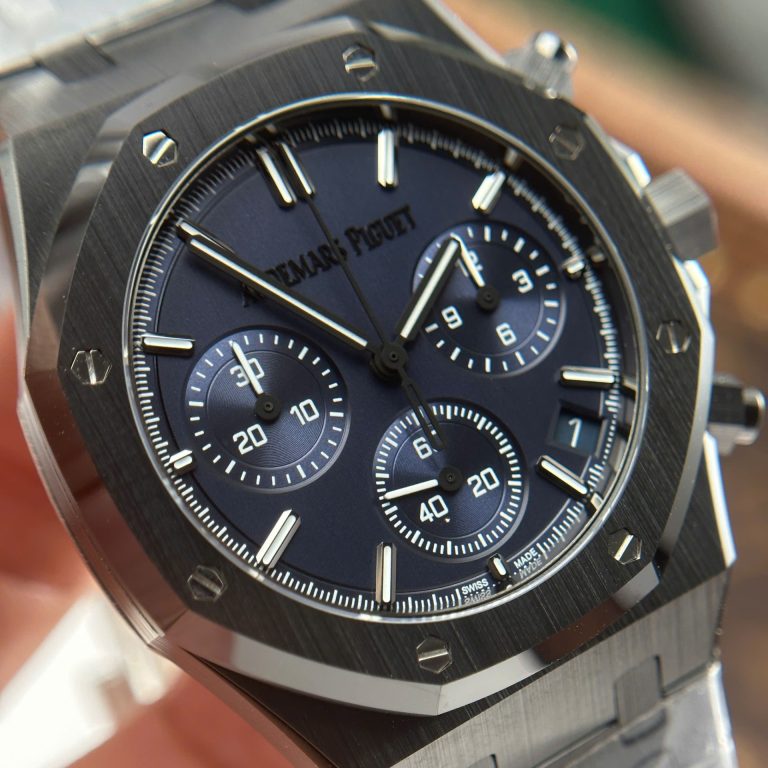
Look At The Date Window
Date windows cause more QC discussions than almost anything else.
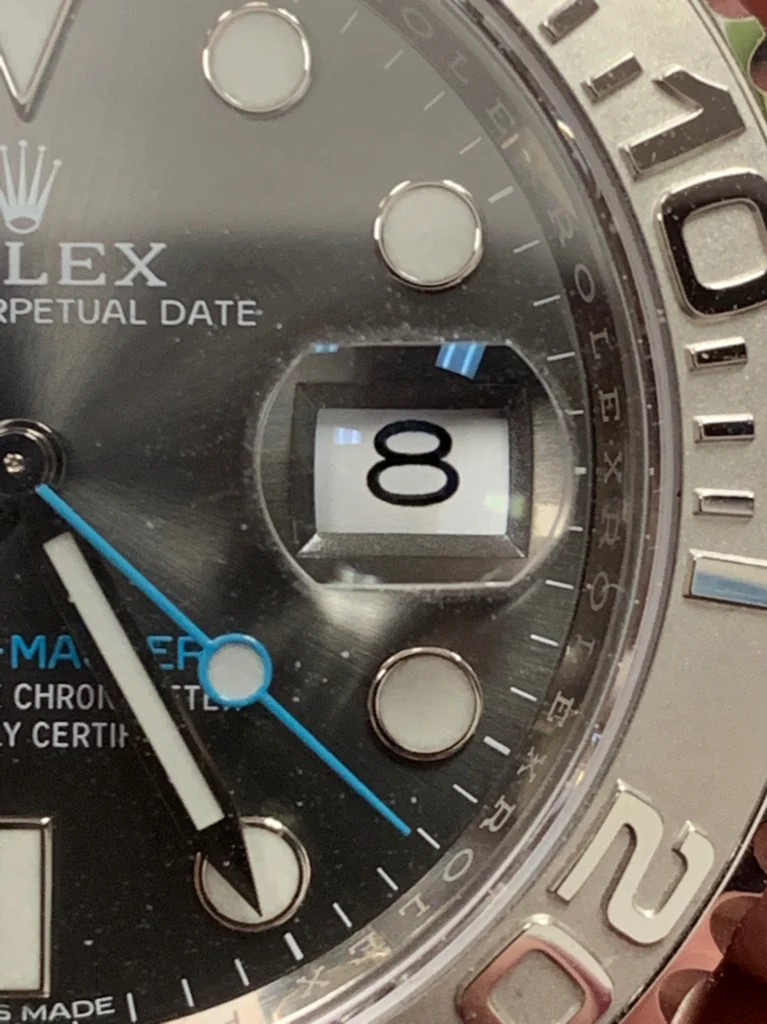
The important thing is centering.
Look at the date number.
Does it sit naturally in the middle of the window?
Or does it appear too far left?
Too far right?
Too high?
Too low?
Sometimes people reject watches because the date isn’t perfectly centered.
Sometimes they’re overreacting.
The key is determining whether the issue is noticeable during normal viewing or only visible when zoomed in dramatically.
Remember, you’re buying a watch to wear.
Not a watch to inspect at 400% magnification every day.
Check Marker Alignment
Marker alignment is another area worth inspecting carefully.
Look at the hour markers around the dial.
Pay attention to:
- 12 o’clock marker
- 6 o’clock marker
- 9 o’clock marker
These positions usually reveal alignment issues fastest.
Most high-end super clone watches perform well here today, but occasional inconsistencies still happen.
You don’t need laboratory precision.
You just want everything to look balanced when viewed normally.
Crystal Clarity Matters
Crystal quality is something many buyers ignore.
Until they own multiple watches.
Then they start noticing it immediately.
Look at how the crystal handles reflections.
Can you clearly see the dial?
Does anything appear cloudy?
Does the crystal distort certain areas?
Good crystals almost disappear.
Poor crystals constantly remind you they’re there.
This is one reason certain factories built strong reputations over the years.
Crystal quality can dramatically change how expensive a watch feels.
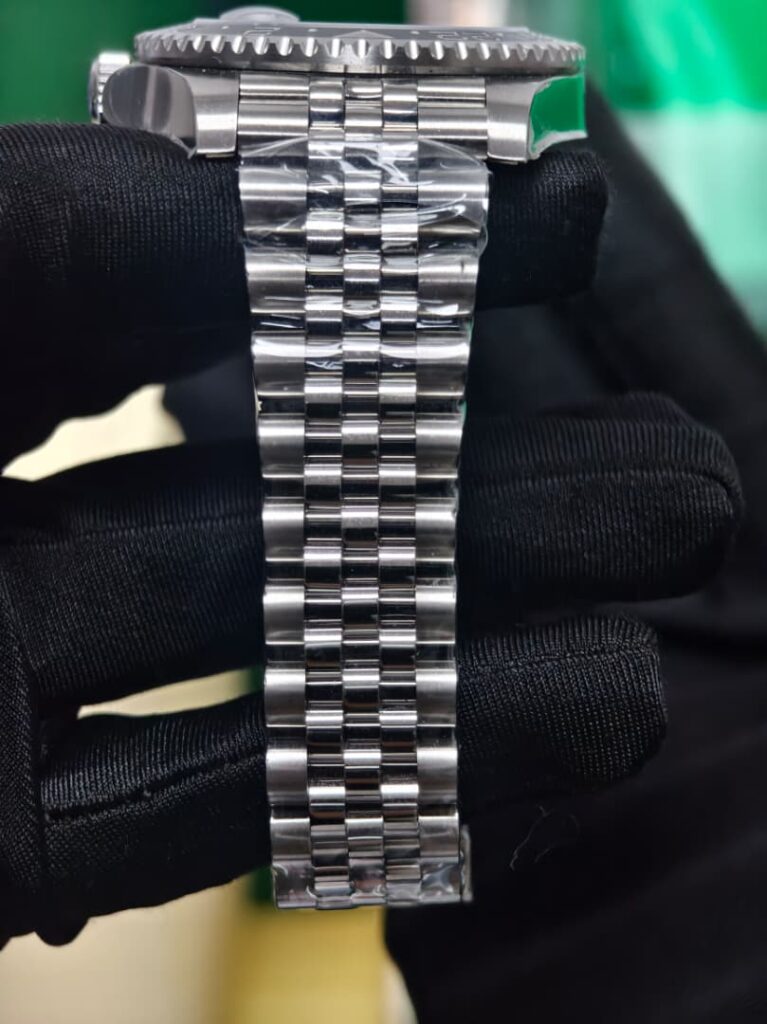
Don’t Ignore The Bracelet
A lot of buyers spend twenty minutes analyzing the dial and fifteen seconds looking at the bracelet.
That’s backwards.
Bracelets affect daily wear far more than most dial details.
Look for:
- uneven gaps
- clasp alignment
- link finishing
- bracelet centering
You won’t always spot every issue through QC photos, but obvious bracelet problems are usually visible.
Experienced buyers know that bracelet quality often determines whether a watch feels premium after six months of ownership.
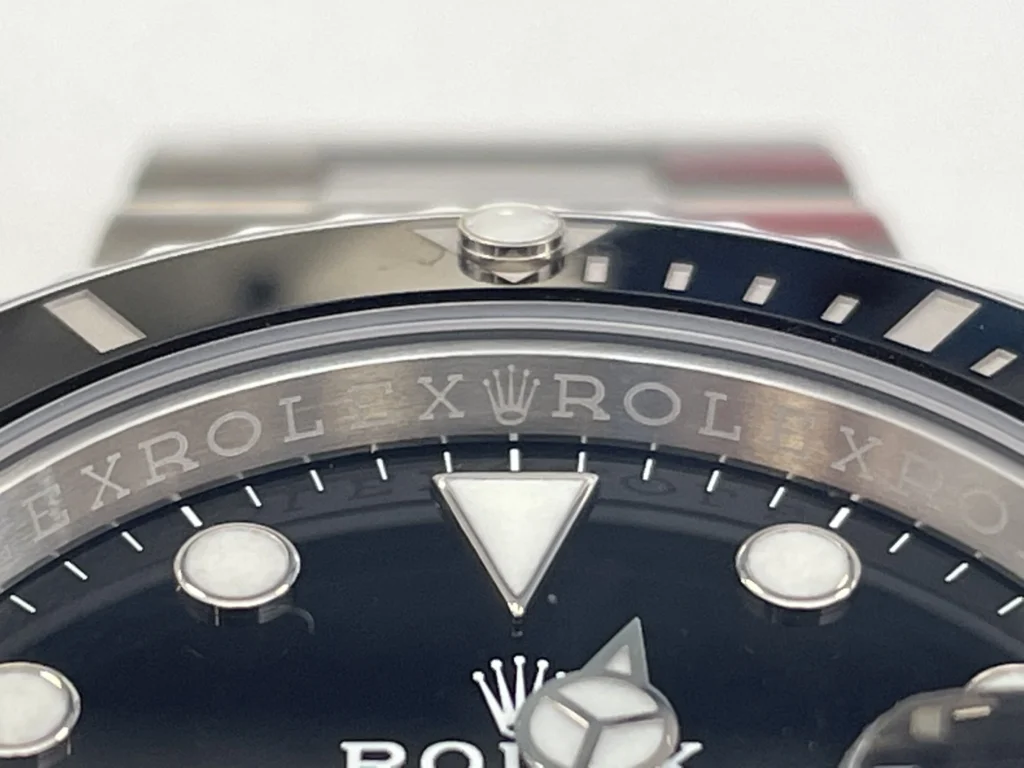
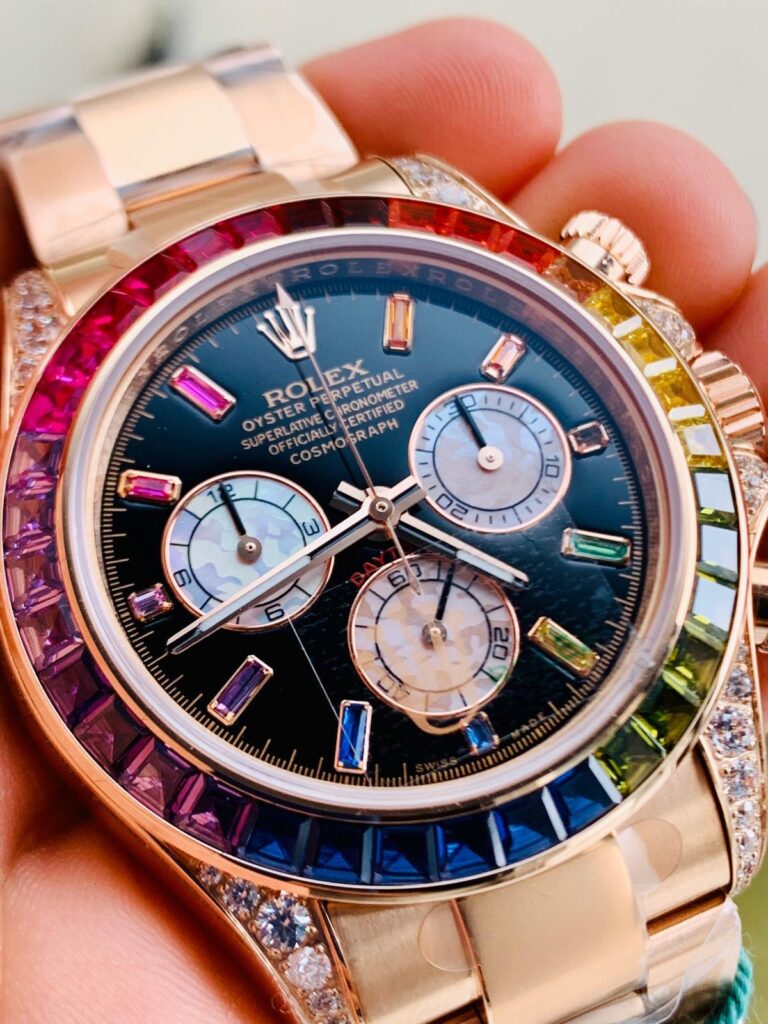
Examine The Rehaut
This applies mostly to Rolex models.
The rehaut engraving should appear reasonably aligned around the dial.
New buyers sometimes obsess over tiny variations here.
Try not to.
No watch is perfect.
What you’re looking for is obvious misalignment, not microscopic differences.
If you need extreme zoom levels to find the problem, it’s probably not a real-world issue.
Watch The Video Carefully
Many sellers provide QC videos.
The video often tells you more than the photos.
Pay attention to:
- hand movement
- date change
- crown operation
- bracelet flexibility
- clasp function
Videos show things photos can’t.
A watch might look perfect in photos but reveal issues once it’s moving.
Never skip the video if one is available.
Avoid The Magnification Trap
This is probably the biggest mistake buyers make.
They zoom too much.
At extreme zoom levels, every watch develops flaws.
Even genuine luxury watches.
You start noticing things you would never see during normal wear.
Tiny print variations.
Minute alignment differences.
Small finishing inconsistencies.
Eventually you convince yourself there’s a major problem when there really isn’t.
Experienced buyers know when to stop zooming.
If a flaw only appears when the image is enlarged far beyond normal viewing distance, it’s probably not worth losing sleep over.
Compare Against Factory Standards
Not every factory produces the same level of finishing.
That’s important.
A QC photo should be judged against the expected standard of that specific factory and model.
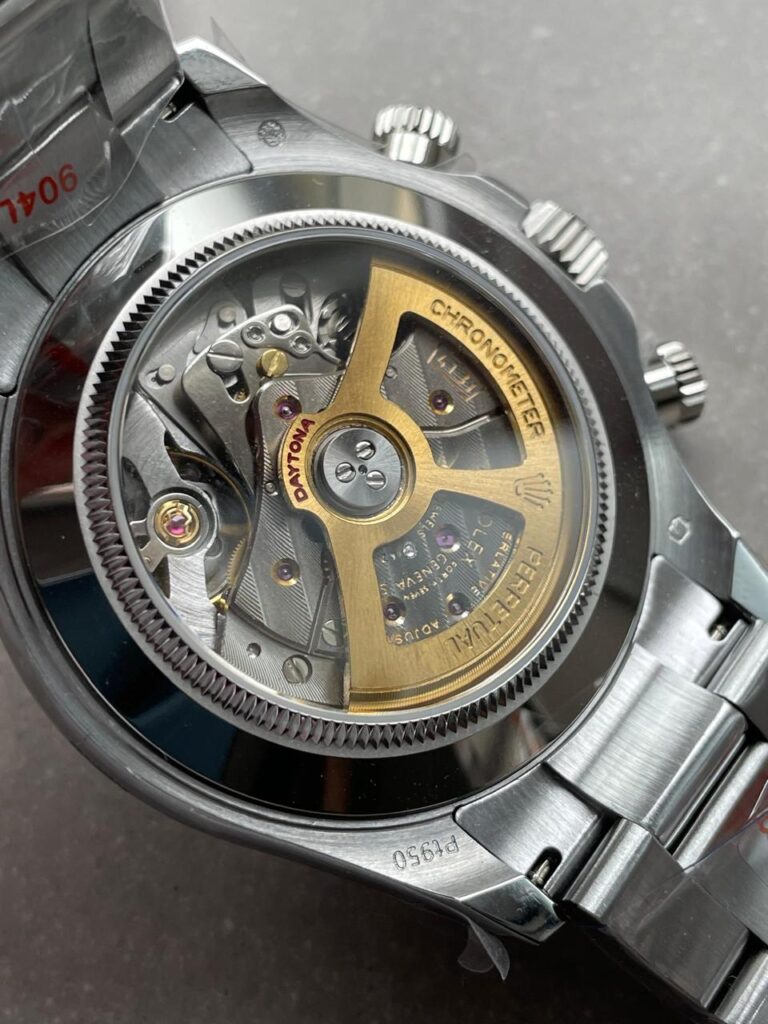
Some factories consistently excel at movement quality.
Others excel at finishing.
Others produce stronger bracelets.
That’s why many buyers research factory-specific expectations before approving QC photos.
Resources like SuperCloneReps.com often help buyers understand what strengths and weaknesses are normal for specific factories before making approval decisions.
What Experienced Buyers Actually Look For
After a while, experienced buyers stop obsessing over tiny details.
They focus on bigger questions.
Does the watch look balanced?
Does anything immediately stand out?
Would they notice the issue during daily wear?
Does the watch meet the standard normally expected from that factory?
Those questions usually matter more than microscopic perfection.
Because perfection doesn’t exist.
Not in replicas.
Not in genuine luxury watches either.
Final Thoughts
QC photos are one of the most important parts of the buying process.
They are your opportunity to inspect the exact watch being shipped before it leaves the seller.
The biggest mistake is rushing.
Slow down.
Check the bezel.
Check the date.
Check the markers.
Check the bracelet.
Watch the video.
Then step back and look at the watch as a whole.
Most experienced buyers aren’t searching for perfection.
They’re simply making sure there are no obvious issues they’ll notice every day once the watch is on their wrist.
That’s usually the difference between a confident approval and buyer’s remorse.