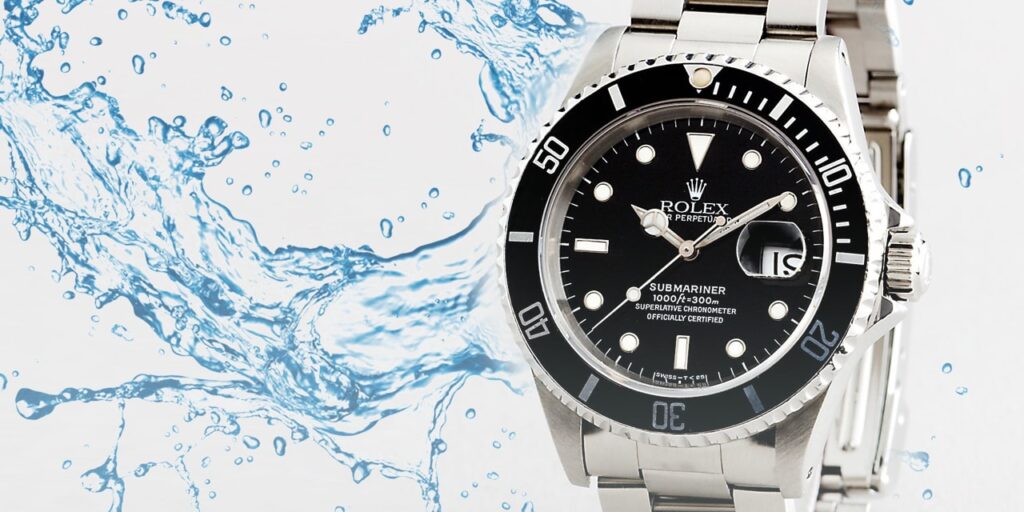
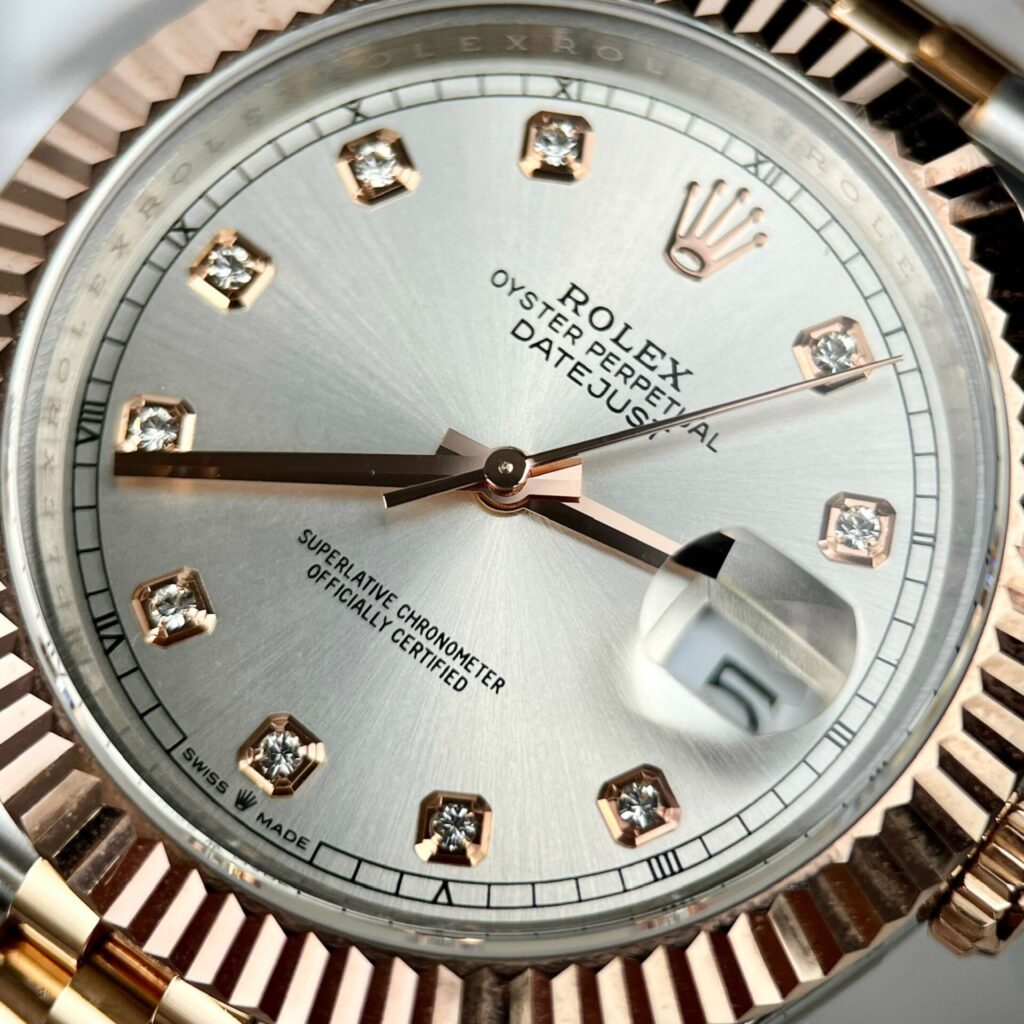
Most replica watches look impressive in photos. Perfect lighting, sharp angles, close-up shots — everything seems convincing until the watch is actually on your wrist.
That’s usually when reality hits.
The bracelet feels cheap. The crown doesn’t wind smoothly. The watch starts gaining or losing time. Suddenly the “top quality” listing doesn’t mean much.
If you spend enough time around watches, you start noticing patterns. Cheap replicas almost always reveal themselves in the same ways. And once you know what to check, it becomes very easy to spot them.
Here’s what experienced buyers usually look at first.
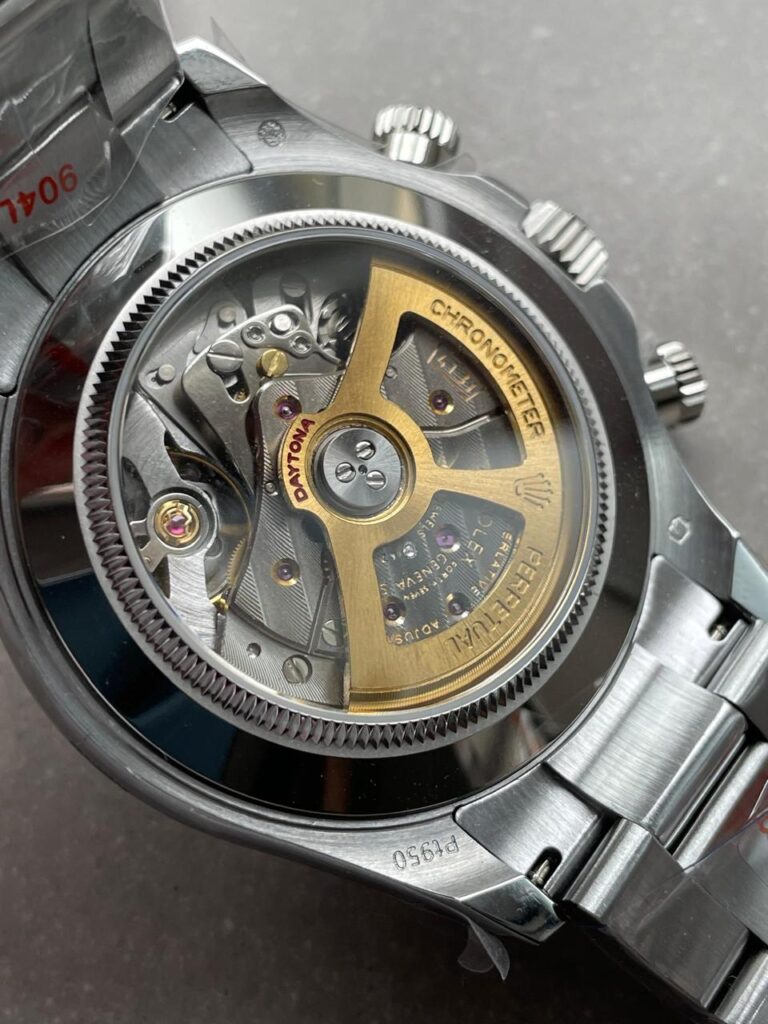
The Movement Gives Everything Away
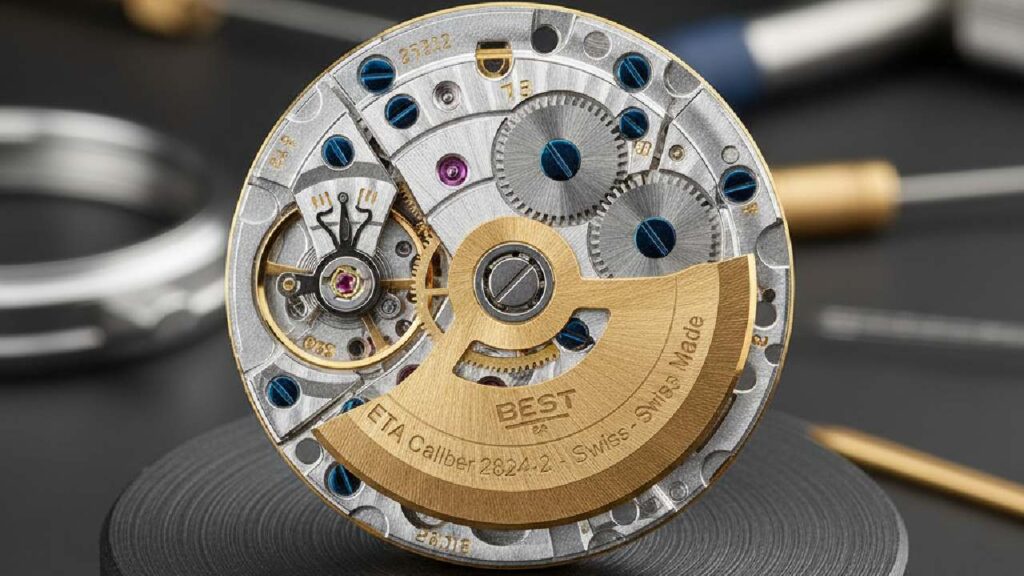
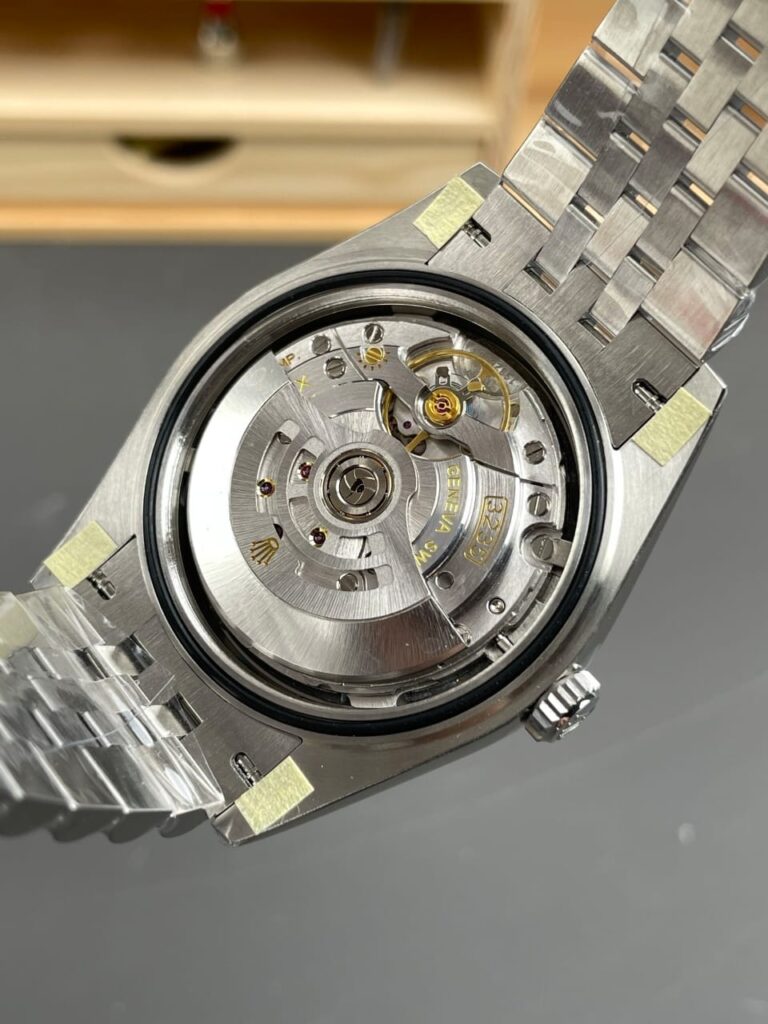
If there’s one thing that separates a bad replica from a well-made one, it’s the movement.
You don’t need to open the watch to notice it. Just wind the crown slowly. A good watch feels smooth and controlled. A bad one feels rough, loose, or slightly grinding.
Then listen.
Cheap watches often make noticeable rotor noise when you move your wrist. Some even feel like something spinning freely inside. That’s usually poor assembly or low-grade components.
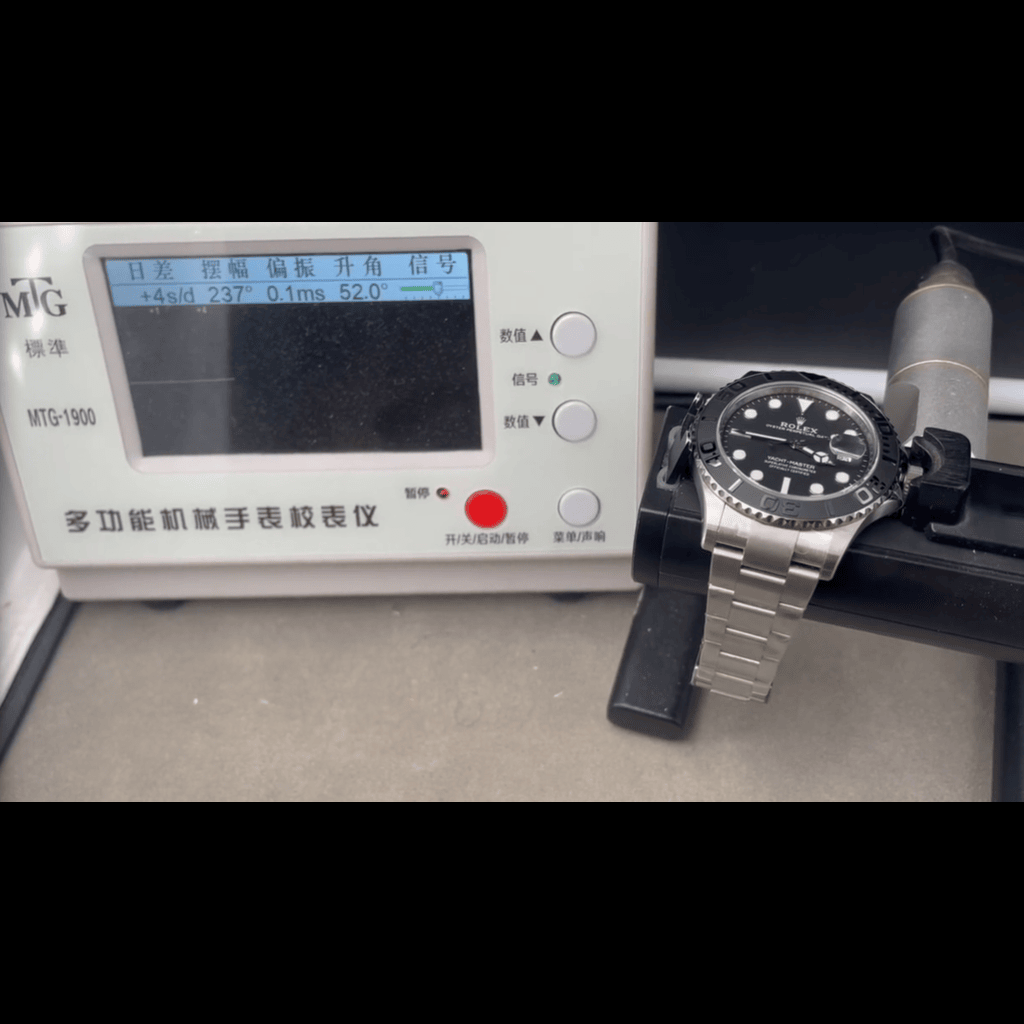
Timekeeping is another giveaway. If a watch gains or loses noticeable time within a few days, that’s a warning sign. Many cheaper pieces work fine for a week or two and then slowly drift.
This is usually where buyers realize why movement quality matters more than appearance.
The Bracelet Tells You the Truth Instantly
You can learn more about a watch from the bracelet than the dial.
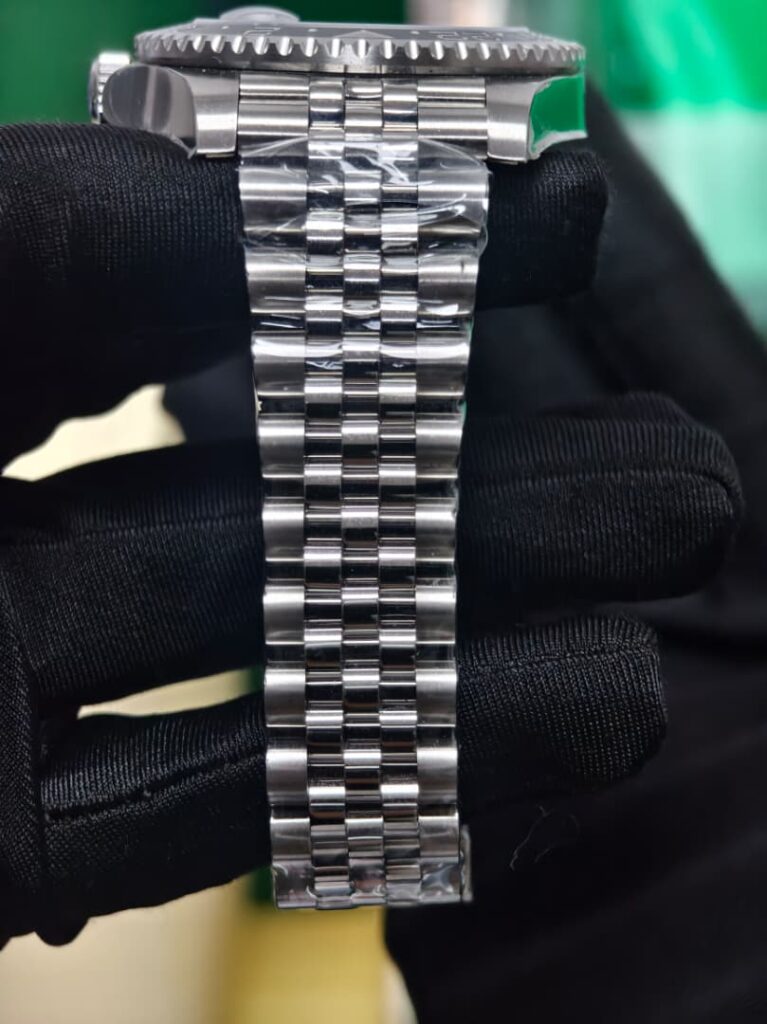
A poorly made bracelet feels light, loose, and slightly rattly. The clasp might snap shut, but it doesn’t feel secure. Edges may feel sharp. Sometimes it even pulls hair when worn.
Better watches feel completely different. The bracelet moves smoothly, the weight feels balanced, and the clasp closes firmly.
Most first-time buyers ignore the bracelet. Later they realize comfort matters more than looks.
Case Shape Is Where Cheap Copies Fail
This one is subtle, but once you see it you can’t unsee it.
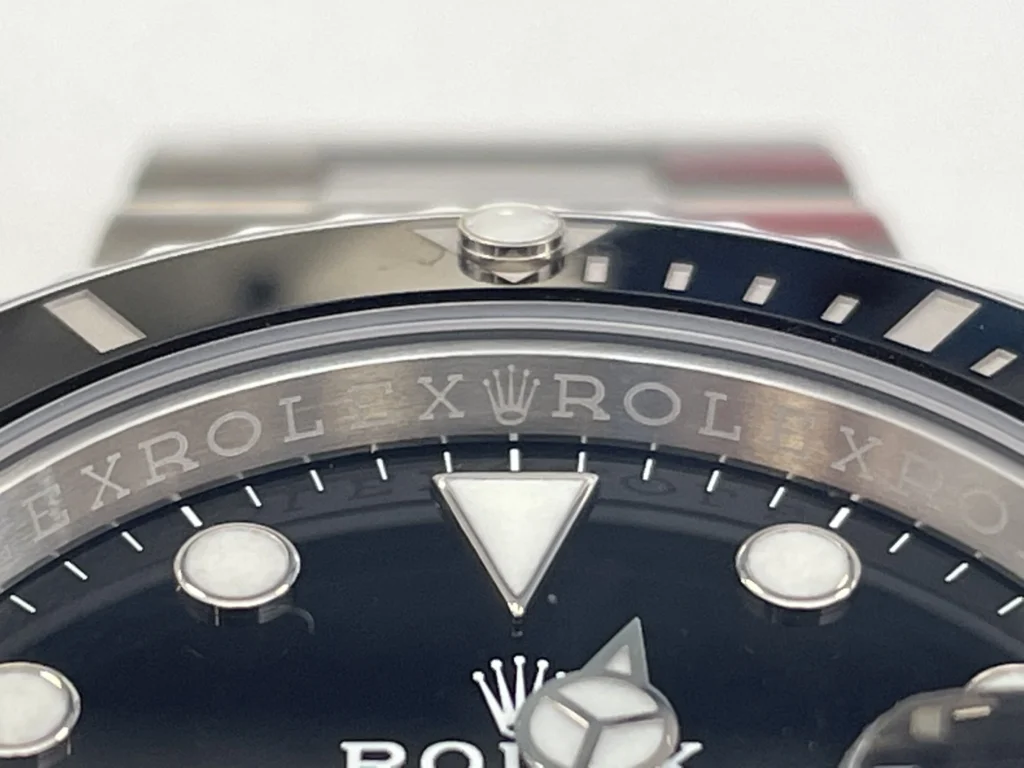
Cheap replicas often get the case proportions wrong. The watch might look slightly thicker than it should. The lugs may appear bulky. The bezel may sit too high.
You can’t always explain what looks off — but something does.
Higher quality watches spend more effort getting proportions right because small differences change how the watch looks from a distance, not just in close-up photos.
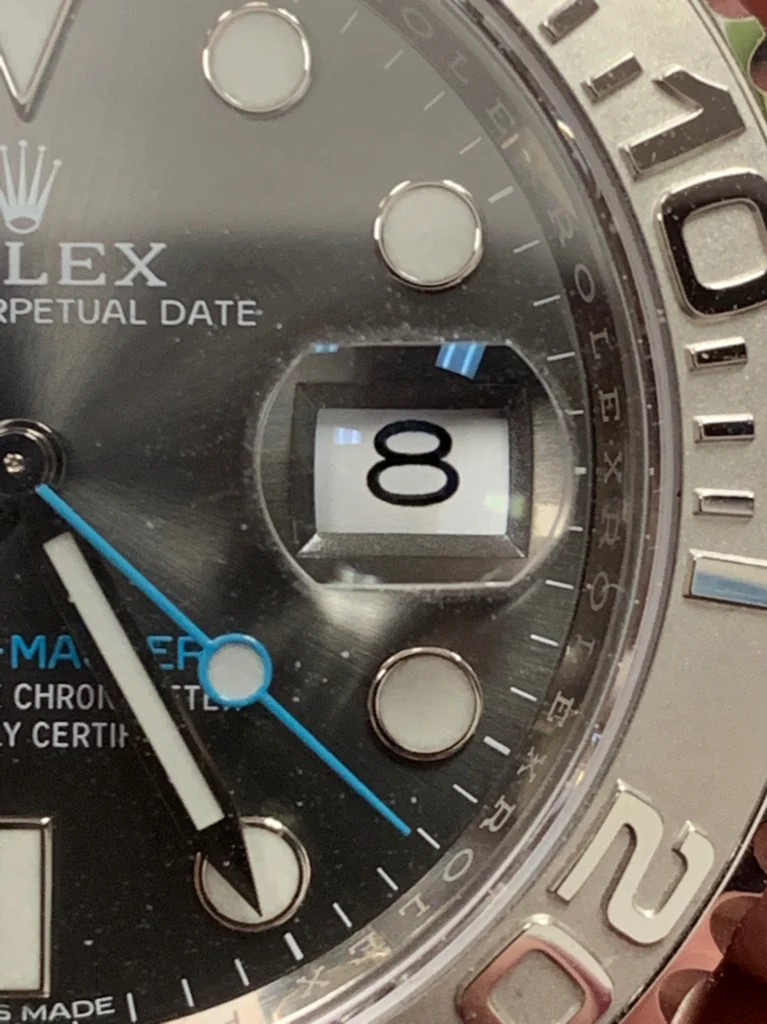
Dial Details Usually Look Fine — Until You Stare
At first glance, most dials look acceptable. But after wearing the watch for a few days, small problems become obvious.
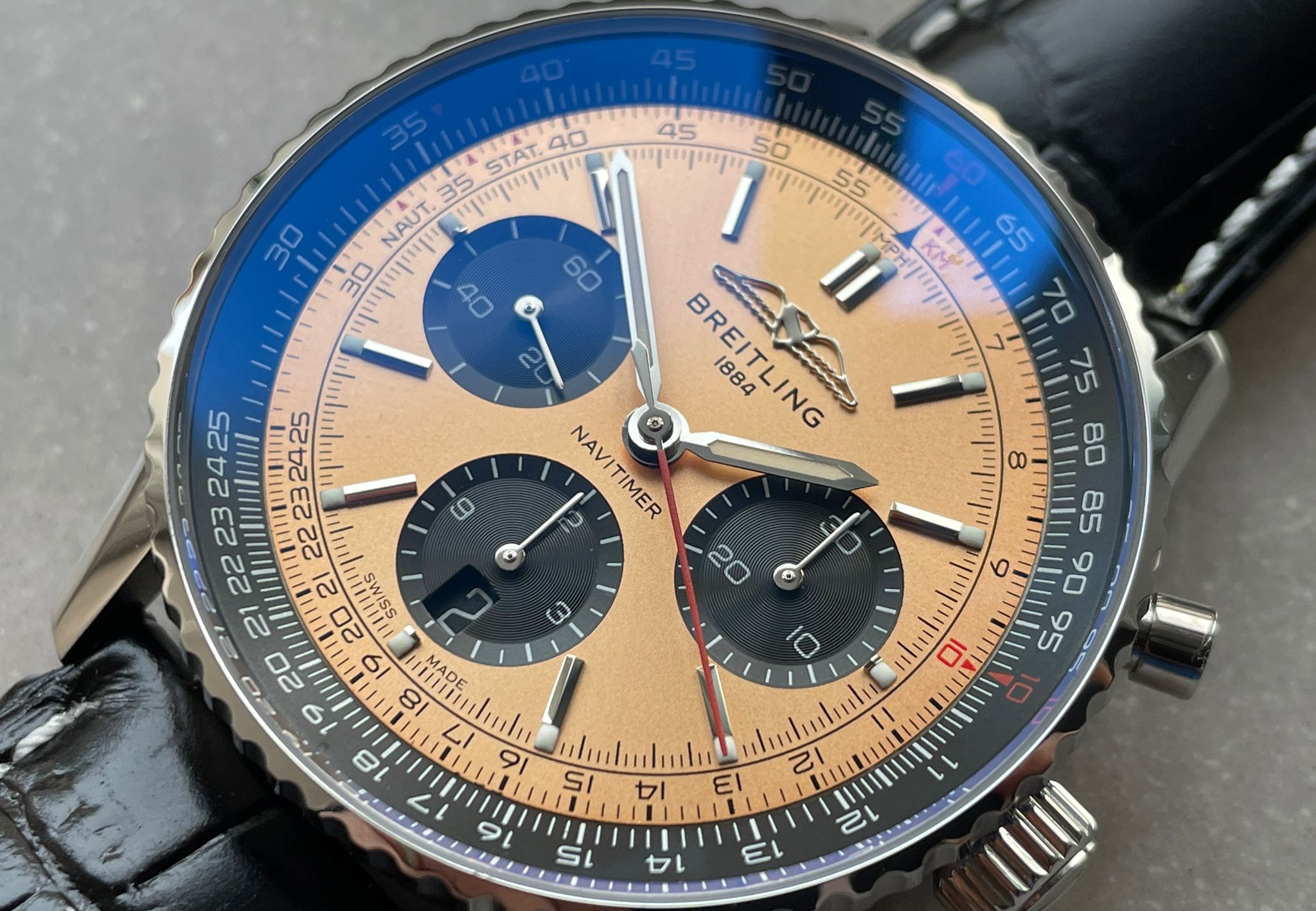
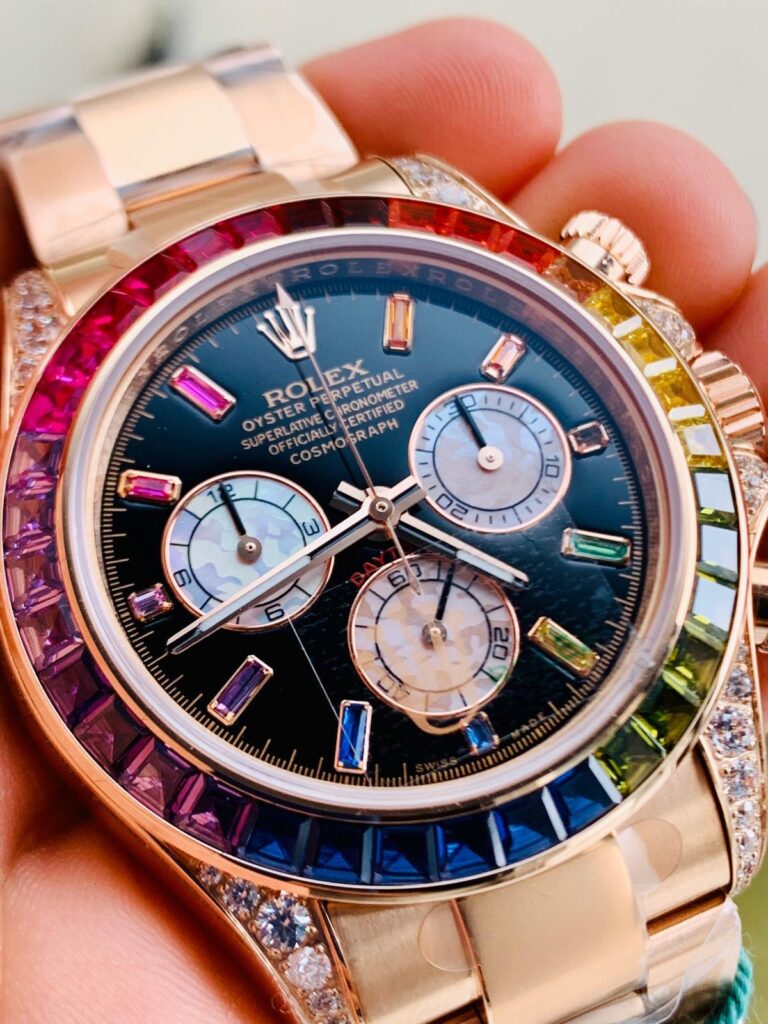
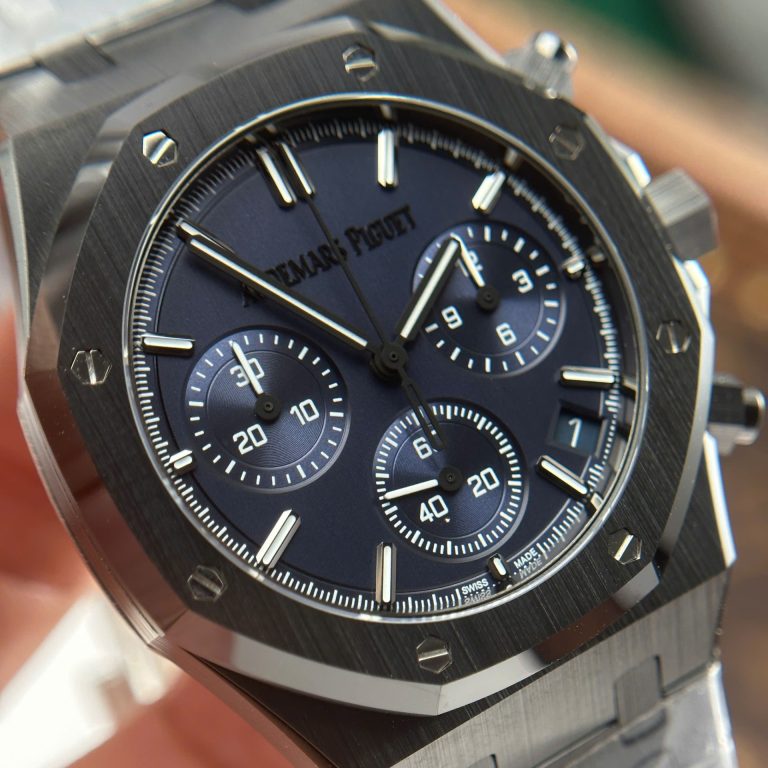
Markers may not line up perfectly. Printing might look slightly soft. Hands may not sit exactly centered. Date windows can appear uneven.
These are tiny details, but they slowly reduce the overall impression of quality.
Better watches don’t draw attention to these things. Everything just looks right.
Weight and Feel Matter More Than People Expect
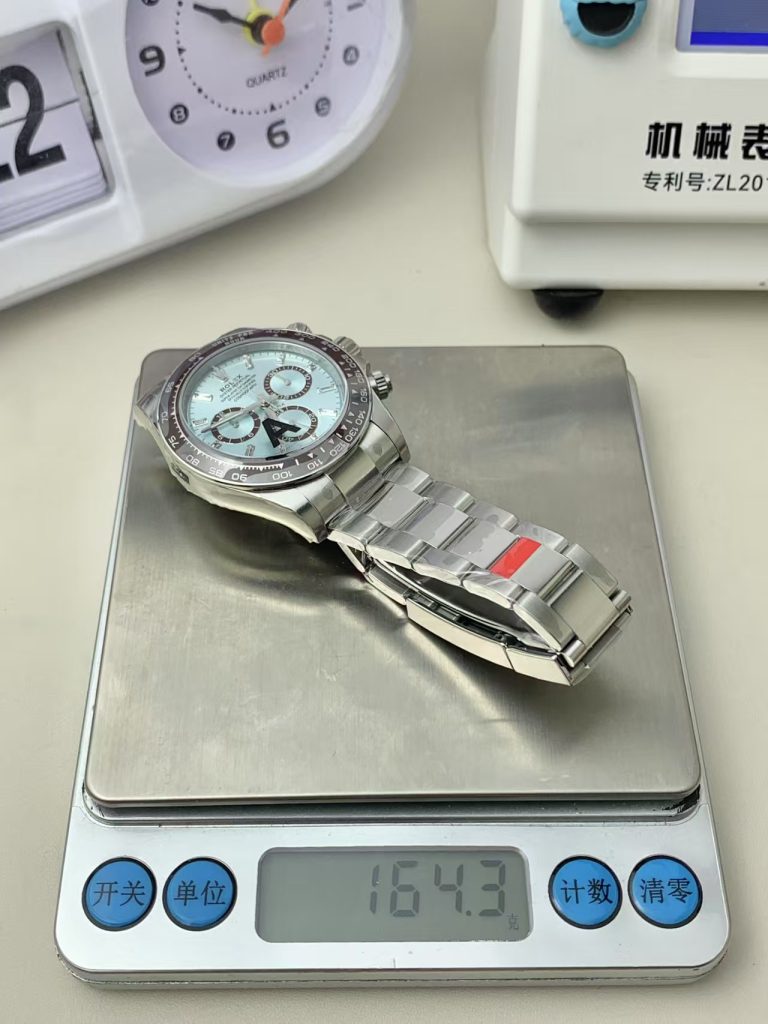
Pick up a cheap replica and you’ll often notice how light it feels. Sometimes the weight distribution feels strange — heavy at the top, unstable on the wrist.
A well-built watch feels balanced. The case and bracelet work together. It sits naturally rather than shifting around.
Weight alone doesn’t guarantee quality, but extreme lightness usually means corners were cut.
Finishing Quality Shows Where Money Was Saved
Look closely at the edges of the case.
Cheap watches often have uneven polishing or rough transitions between surfaces. Brushed areas may look inconsistent. Tiny manufacturing marks might be visible.
These details aren’t obvious in photos but stand out in real use.
Better finishing simply looks cleaner.
Why Cheap Watches Often Disappoint Later
Many low-cost replicas actually look fine at first. The problems appear after a few weeks or months.
The bracelet loosens. The movement becomes inconsistent. The crown stops feeling smooth. The watch gradually becomes less enjoyable to wear.
That’s why many buyers eventually upgrade — not because they want something different, but because the first watch didn’t last.
Marketing Claims Usually Mean Nothing
Every seller claims “best quality.” That phrase alone tells you very little.
What matters more:
Vague descriptions and perfect studio images should always make you cautious.
What Actually Matters Most
If you want to judge a watch quickly, focus on just three things:
-
How the movement feels
-
How the bracelet feels
-
How the watch sits on the wrist
Everything else is secondary.
If those three are good, the watch is usually well made. If they aren’t, nothing else really matters.
Final Thoughts
Most bad replica watches don’t fail because of one major flaw. They fail because of many small issues that add up — rough movement behavior, weak materials, poor comfort, inconsistent construction.
A watch should feel stable, comfortable, and reliable. If something feels off within the first few minutes of handling it, there’s usually a reason.
Learning to recognize these signs makes the difference between buying something that lasts and something that disappoints.
For a deeper understanding of materials, movement quality, and build standards, visit our complete overview of super clone watches.