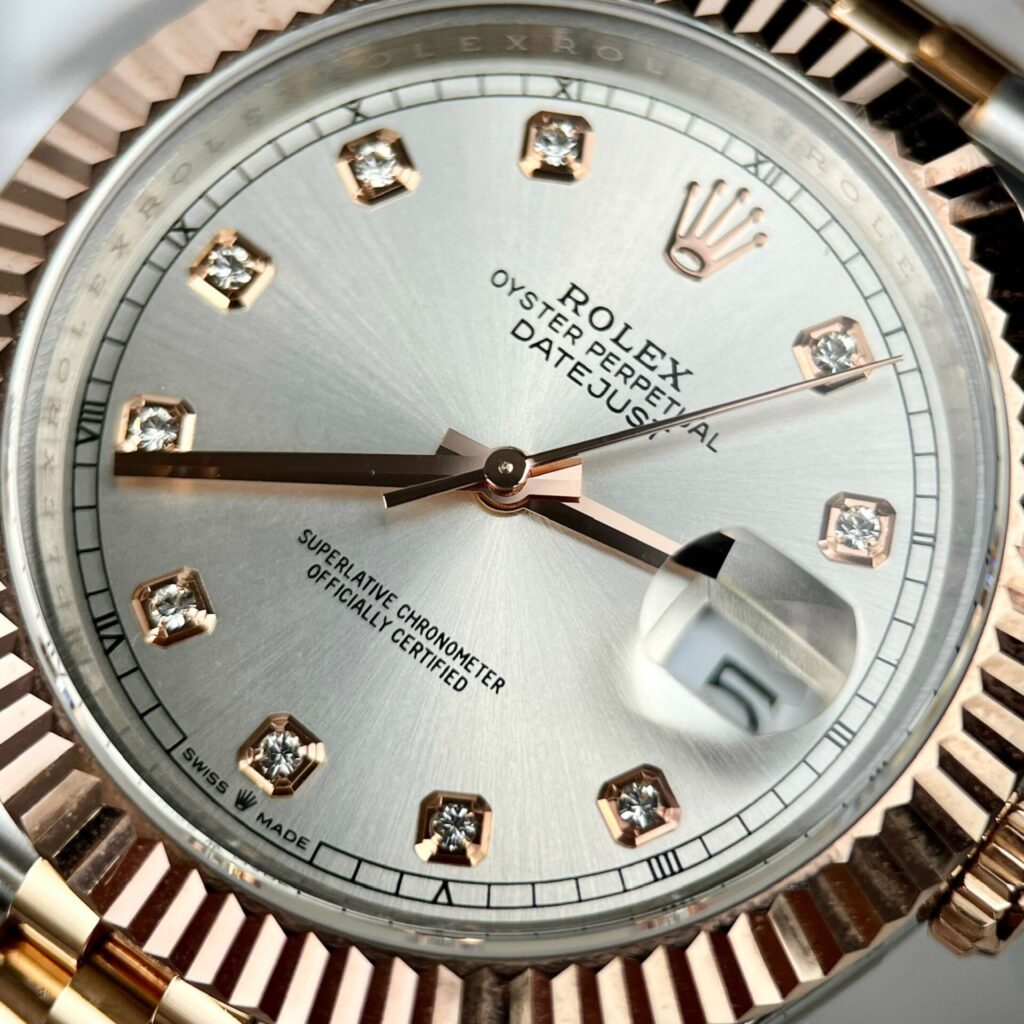
If you’re new to replica watches, everything can look the same at first.
A $150 watch and a $1100 watch might look nearly identical in photos. Same dial. Same design. Same branding. Same claims about quality. Sellers use the same words everywhere — premium build, top grade, best version, Swiss quality.
But once the watch is on your wrist, the difference usually shows up fast.
And it’s rarely about how the watch looks.
It’s about how it feels, how it runs, and how long it stays enjoyable to wear.
That’s where cheap replicas and higher-grade super clone watches start going in completely different directions.
Most Cheap Replicas Are Built for First Impressions
Cheap replicas are designed to look convincing quickly. That’s their main job.
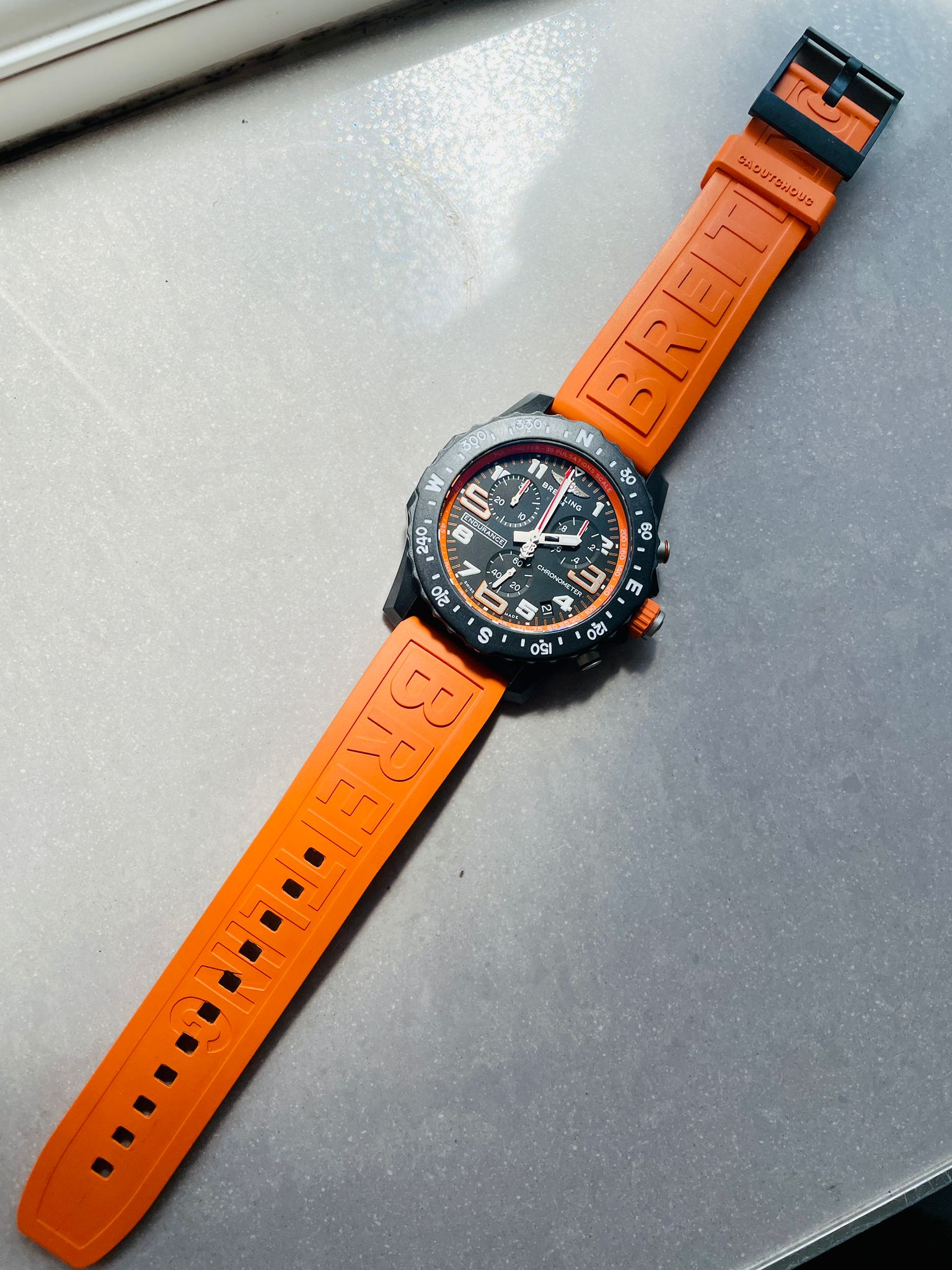
From a few feet away, they usually pass. The dial resembles the original. The shape looks right. The watch photographs well. For someone just browsing online, everything seems fine.
The problem is they’re rarely built for daily use.
Manufacturing focuses on speed and cost, not long-term performance. The watch only needs to look acceptable when new. What happens after a few months isn’t really the priority.
That’s why many people feel impressed when the watch arrives — and disappointed later.
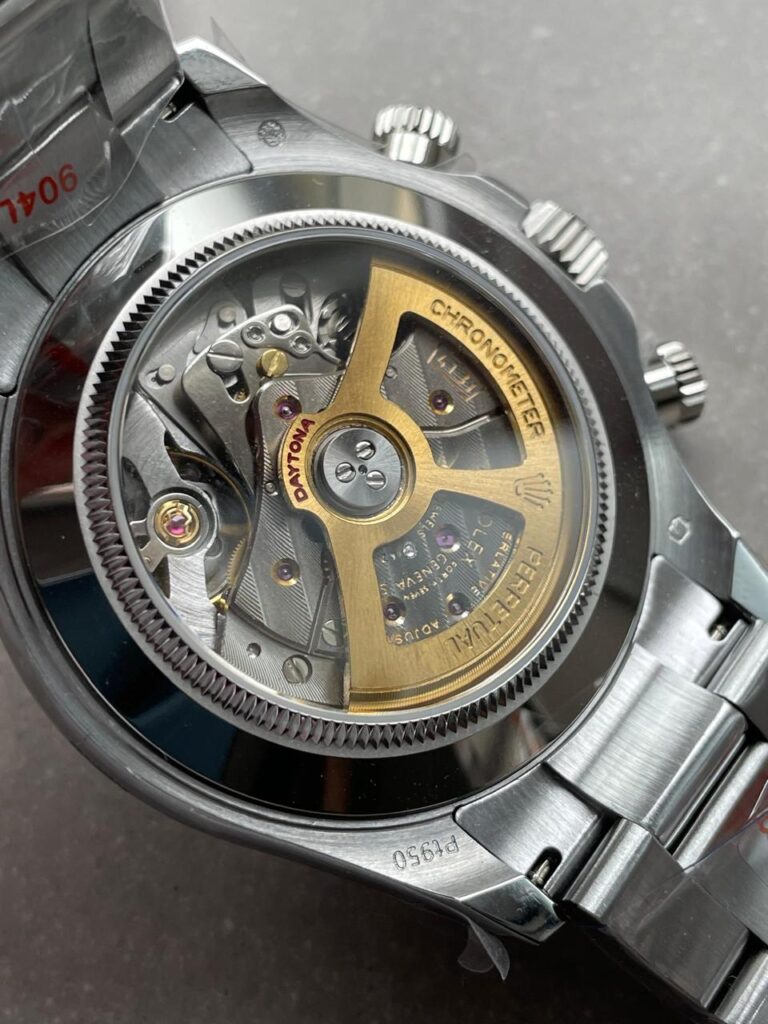
The Movement Is Where the Real Difference Starts
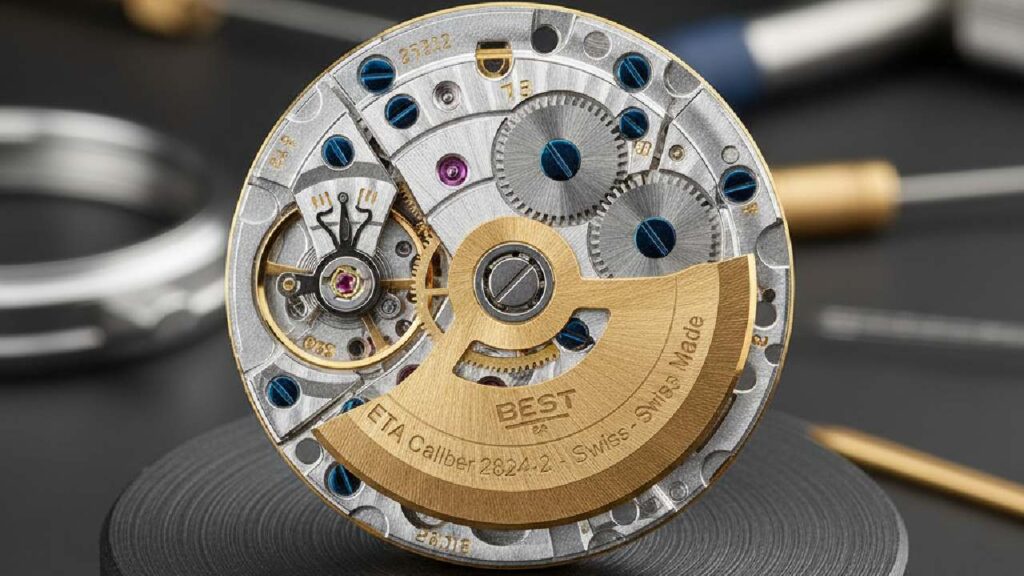
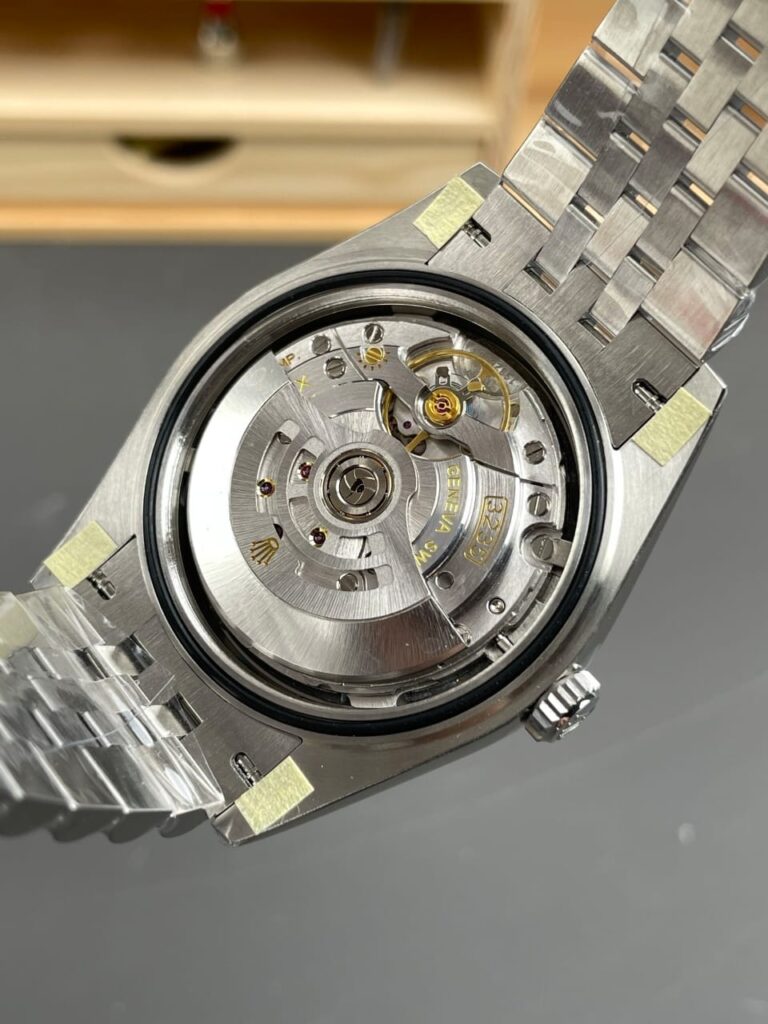
Ask anyone who has owned both types of watches and they’ll tell you the same thing: the movement gives everything away.
You notice it immediately when you wind the watch.
A cheaper replica often feels loose or slightly rough when turning the crown. Sometimes you hear mechanical noise when moving your wrist. The second hand might not move smoothly. After a few weeks, timekeeping may become inconsistent.
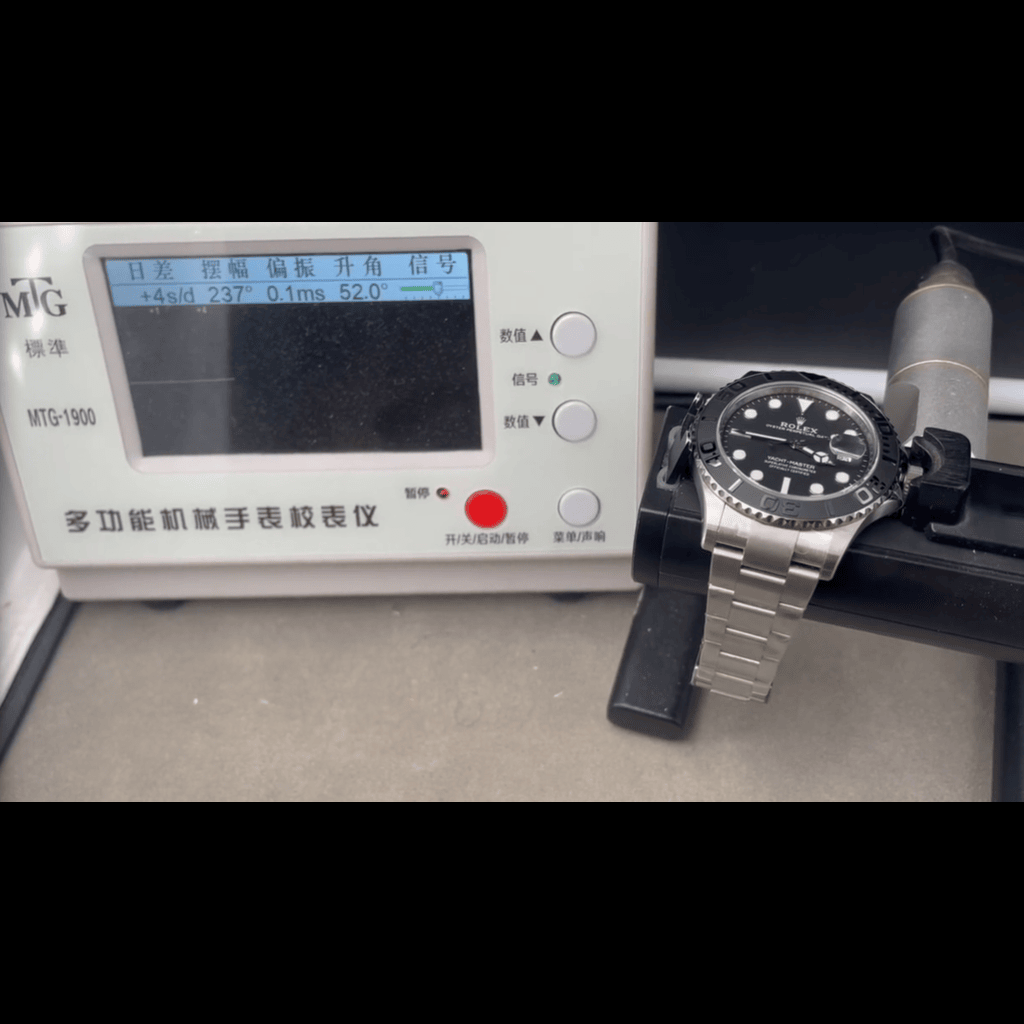
Better-built watches feel different. Winding is smooth. The watch runs quietly. Time stays stable. The mechanical behavior feels controlled rather than fragile.
You don’t need technical knowledge to notice this. You just feel it.
This is usually the moment when buyers understand why movement quality matters more than appearance.
Bracelet Quality Changes the Entire Experience
The bracelet is one of the biggest differences, yet it’s something most buyers don’t think about beforehand.
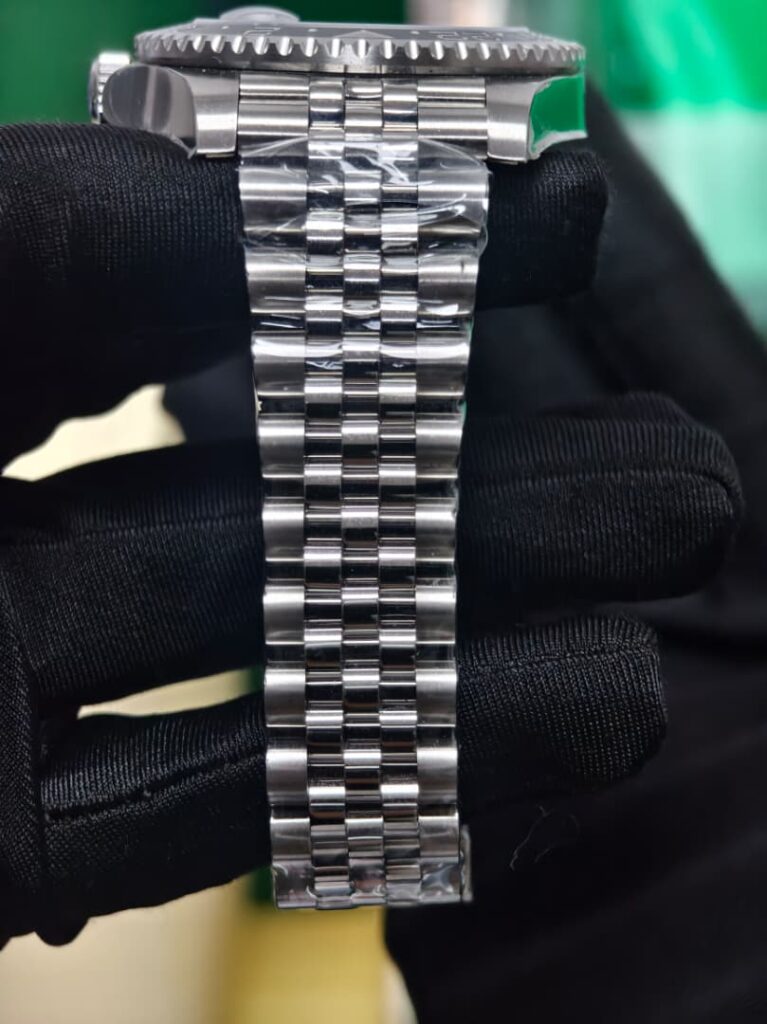
Cheap replica bracelets often feel light and slightly noisy. The links may rattle. The clasp may close, but it doesn’t inspire confidence. Sometimes the edges feel sharp or uncomfortable after a few hours of wear.
Higher-quality watches feel completely different. The bracelet moves smoothly, sits comfortably, and feels secure. The weight feels balanced.
This might sound minor, but comfort determines whether you actually enjoy wearing the watch every day.
Many buyers only realize this after experiencing both.
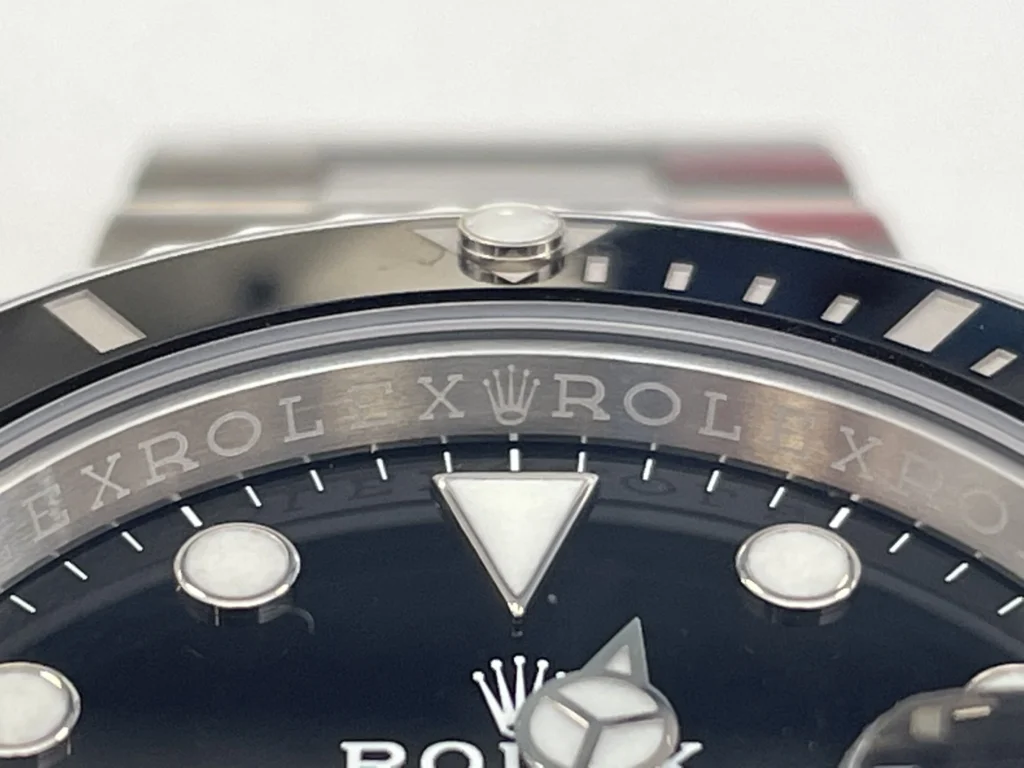
Case Shape and Proportions Are Hard to Copy
This is where cheap replicas quietly fail.
At first glance, the case looks correct. But when worn, something feels off. The watch may appear slightly thicker than expected. The lugs may look heavy. The proportions don’t match what your eye expects.
You might not be able to explain what’s wrong — but the watch simply doesn’t look refined.
Higher-end watches spend more effort getting these details right. Small differences in thickness, curves, and finishing dramatically change how a watch looks on the wrist.
These details separate something that looks “close enough” from something that feels properly built.
Material Quality Shows Over Time
Material quality rarely matters on day one. It matters after months of use.
Cheaper watches often use lower-grade metals and basic glass. Over time they may show scratches, discoloration, or general wear faster than expected.
Better watches typically use stronger materials that hold up longer. The case keeps its finish. The crystal stays clear. The watch continues to look good even with regular use.
Durability becomes more important the longer you own the watch.
Weight and Balance Feel Completely Different
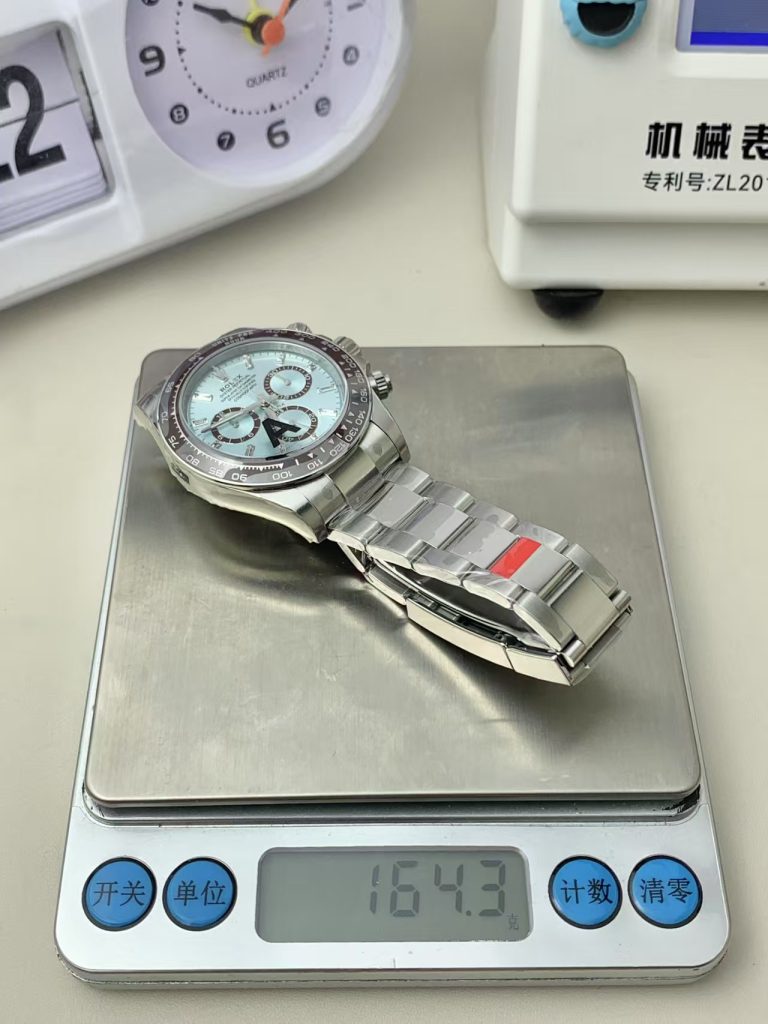
Pick up a cheap replica and you may notice something immediately — it feels lighter than expected or slightly unbalanced.
Weight distribution affects how the watch sits on the wrist. Poorly balanced watches shift constantly or feel top-heavy. It makes the watch feel temporary rather than solid.
A well-built watch feels stable and natural when worn. The weight is evenly distributed, and the watch doesn’t demand constant adjustment.
It’s a small detail, but it changes the entire wearing experience.
Why Many Buyers Eventually Upgrade
There’s a pattern that shows up again and again.
Someone buys a cheap replica first. At the beginning, everything seems fine. The watch looks good, and the price feels reasonable.
Then small issues appear.
The movement loses accuracy. The bracelet feels uncomfortable. The overall experience becomes less satisfying. Eventually the buyer starts looking for something better.
That’s why many people move toward higher-quality watches later. The difference becomes obvious only after experience.
Price vs Long-Term Value
The main reason people choose cheaper watches is simple — lower cost.
But long-term value often tells a different story. A watch that lasts longer, performs reliably, and remains comfortable may provide a better experience even if the upfront price is higher.
This isn’t about spending more money. It’s about understanding what you’re paying for — appearance or performance.
Different buyers prioritize different things.
Not Everyone Needs the Same Level of Quality
Some people only want a watch for occasional wear or visual appeal. For them, a cheaper option may be enough.
Others want something they can wear daily without worrying about comfort or reliability. They tend to focus more on build quality and mechanical stability.
There isn’t one correct choice — but expectations should match reality.
What Matters Most in the End
After handling many watches, most experienced buyers focus on just a few things:
If those three are right, the watch usually delivers a good experience. If they aren’t, no amount of visual accuracy makes up for it.
Everything else is secondary.
Final Thoughts
Cheap replicas and higher-grade watches may look similar at first, but they are built with different priorities. One focuses on immediate appearance, the other on long-term performance and wearability.
The difference isn’t always obvious in photos, but it becomes clear through daily use — in the way the watch feels, runs, and ages over time.
Understanding these differences helps buyers choose what actually suits their expectations, rather than relying on marketing claims or price alone.