When people talk about high-end super clone watches, the conversation almost always comes back to one thing: the movement inside the watch. While many replicas focus only on surface appearance, a true Rolex super clone is defined by how closely its internal mechanics mirror the genuine original.
This guide explains what a 1:1 clone movement really is, why it matters, and how to tell the difference between an average replica and a properly built Rolex super clone.
What Is a 1:1 Clone Movement?
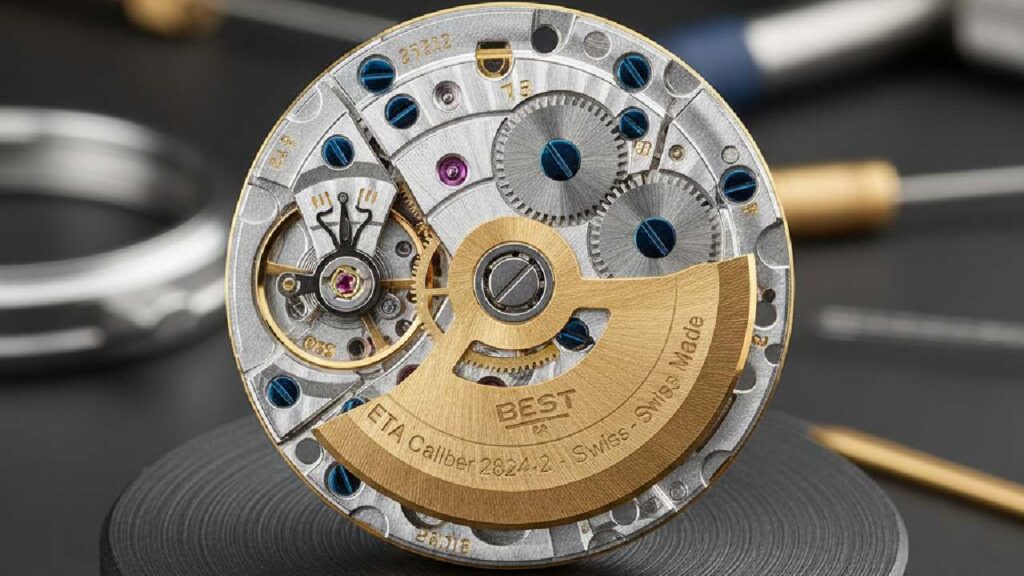
A 1:1 clone movement is a mechanical movement engineered to closely replicate the structure, layout, and function of a genuine Rolex caliber. Instead of using a generic off-the-shelf movement, these clones are designed specifically to resemble the original movement’s architecture.
This includes:
similar bridge layout and gear positioning
correct hand stack height
matching functions such as date, GMT, or chronograph operation
comparable winding feel and rotor behavior
The goal is not just to keep time, but to recreate how the original movement behaves and feels during everyday use.
Why the Movement Is the Most Important Part
Many first-time buyers focus on dial appearance or case finishing, but experienced collectors know that the movement determines the overall experience of owning a super clone.
A high-quality clone movement affects:
how smoothly the seconds hand moves
how the crown feels when winding or setting the time
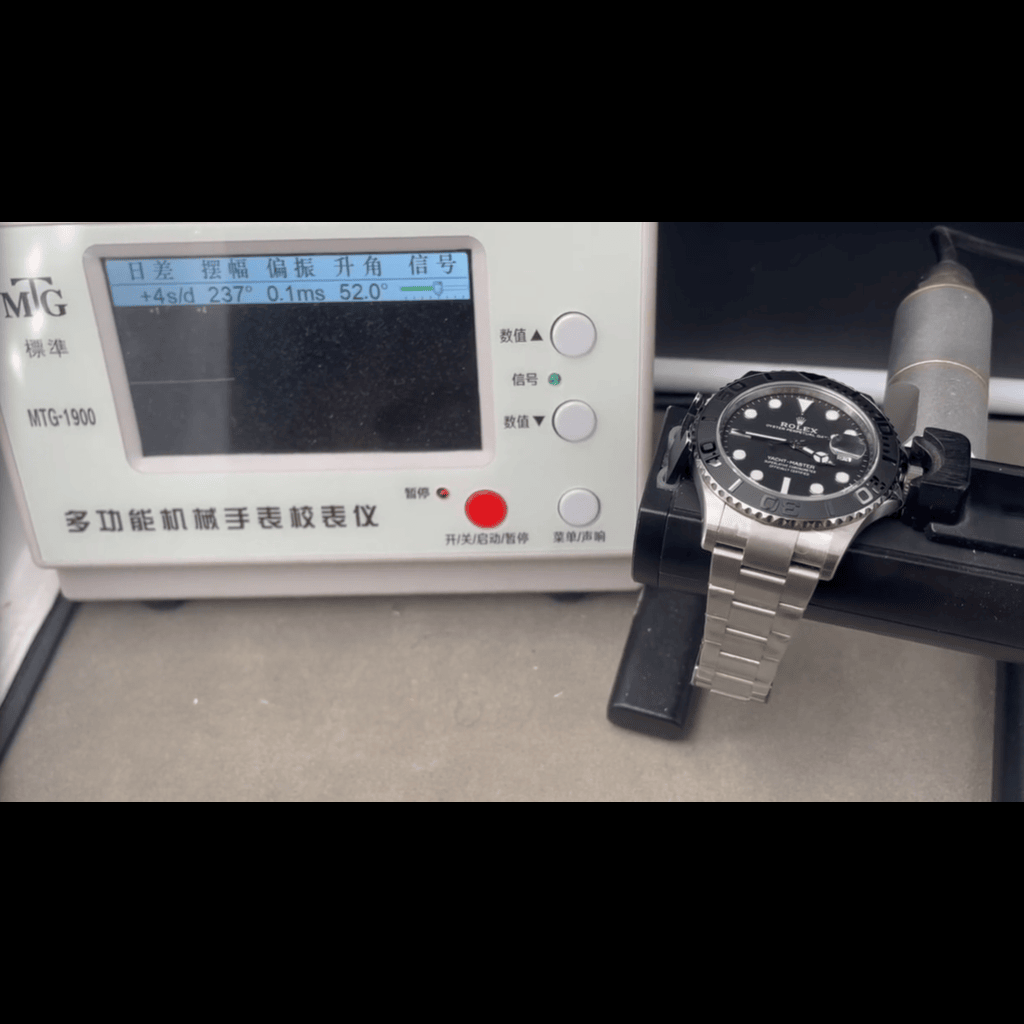
how reliably the watch keeps time day after day
how long the watch lasts with normal wear
Low-grade replicas may look acceptable at first glance, but their movements often feel rough, inconsistent, or unreliable over time. This is where the difference becomes clear.
How Rolex Super Clone Movements Are Engineered
High-end clone movements are typically developed by studying genuine Rolex calibers in detail. Engineers replicate the layout and functional logic of the original movement, then manufacture components to match those specifications as closely as possible.
Common cloned Rolex calibers include:
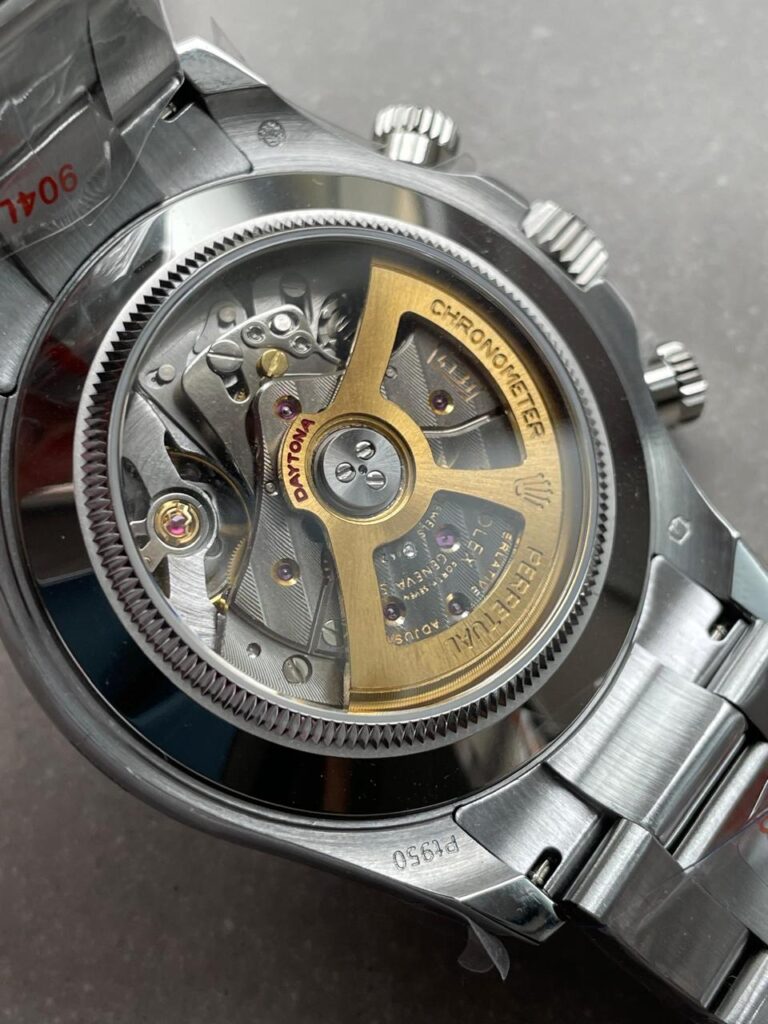
chronograph movements used in Daytona models
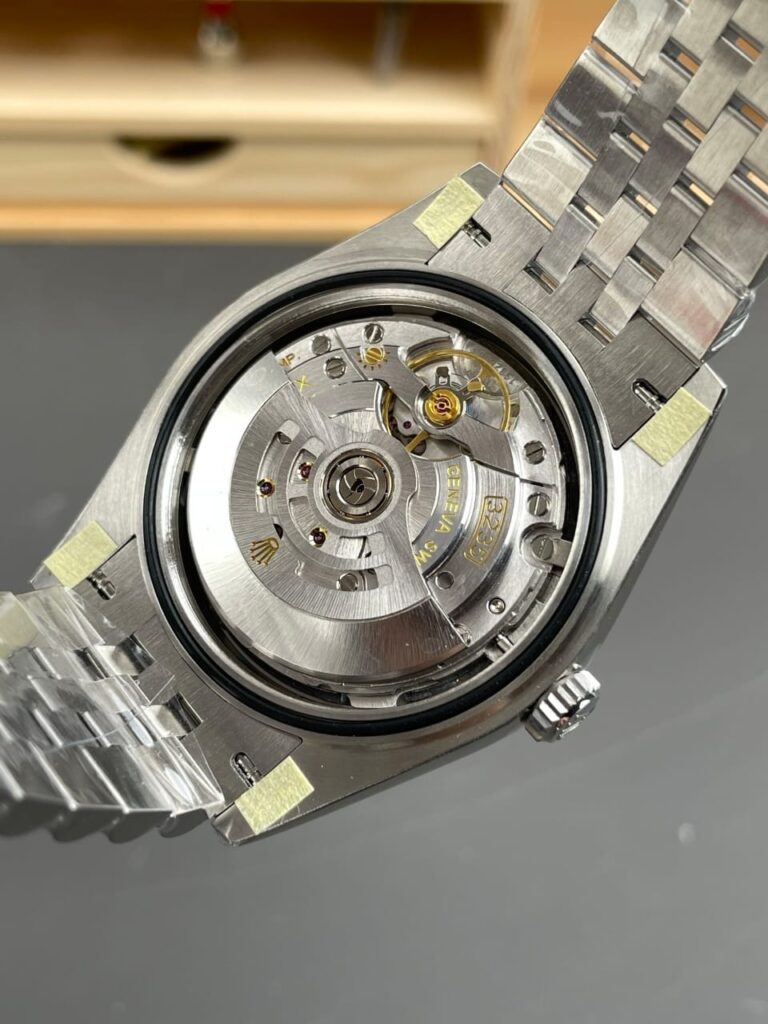
date and time movements found in Submariner and Datejust watches
GMT movements designed for dual time zone functionality
day and date movements with instantaneous calendar changes
Each movement is designed to perform its functions in a way that closely resembles the original, both mechanically and visually.
The Role of the Hairspring and Balance System
One of the most recognizable features of modern Rolex movements is the blue hairspring. In high-quality super clone movements, this detail is carefully replicated.
Beyond appearance, the balance system plays a major role in:
While clone movements are not certified chronometers, a well-built balance system contributes to consistent performance and a more authentic feel.
1:1 Clone Movements vs Generic Replica Movements
Not all replica movements are created equal. Understanding the difference helps buyers make better decisions.
Generic Replica Movements
designed for low cost and mass production
simplified internal layouts
acceptable for basic timekeeping
often louder or rougher in operation
1:1 Clone Movements
modeled after specific Rolex calibers
closer visual and mechanical similarity
smoother operation and better hand alignment
more refined overall experience
While both types can tell time, only a true clone movement delivers the depth and realism expected from a super clone watch.
How to Identify a High-Quality Rolex Super Clone
There are several signs that indicate a watch uses a genuine 1:1 clone movement:
Accurate Movement Layout
When viewed internally, the movement should resemble the layout of the original Rolex caliber, not a generic design.
Correct Functional Behavior
Features like date changes, GMT adjustments, or chronograph functions should operate smoothly and in the correct sequence.
Balanced Feel
A high-quality clone movement feels solid and controlled when winding or setting, not loose or gritty.
Overall Consistency
Super clone watches are built to feel cohesive — nothing should feel out of place or poorly executed.
Popular Rolex Super Clone Configurations
Some Rolex models are particularly well known for their high-quality super clone versions:
Daytona-style chronographs with cloned chronograph movements
Submariner-style divers with date or no-date clone calibers
GMT-style watches with independently adjustable hour hands
Classic Oyster-style models with simple, reliable clone movements
Each model places different demands on the movement, which is why quality varies from watch to watch.
Common Questions Buyers Have About Clone Movements
Do clone movements keep accurate time?
High-quality clone movements are generally reliable for daily wear, though they are not officially certified like genuine movements.
Can clone movements be serviced?
Most mechanical clone movements can be serviced by watchmakers familiar with replica or aftermarket movements, though servicing practices vary.
Are clone movements visible through the caseback?
Some watches feature display casebacks that showcase the movement, while others use solid backs. Quality depends on construction, not visibility.
Final Thoughts
A Rolex super clone watch is defined by more than how it looks on the wrist. The movement inside determines how the watch feels, functions, and performs over time.
Understanding clone movements helps buyers:
avoid low-quality replicas
choose watches that last longer
appreciate the craftsmanship involved
When a super clone watch is built correctly — inside and out — it delivers a refined experience that goes far beyond surface appearance.








Recent Comments