This is one of the first questions people ask when they start researching super clone watches.
It’s also one of the hardest questions to answer accurately.
Not because nobody knows.
Because the answer depends on how the watch is used, how well it’s assembled, and which movement you’re talking about in the first place.
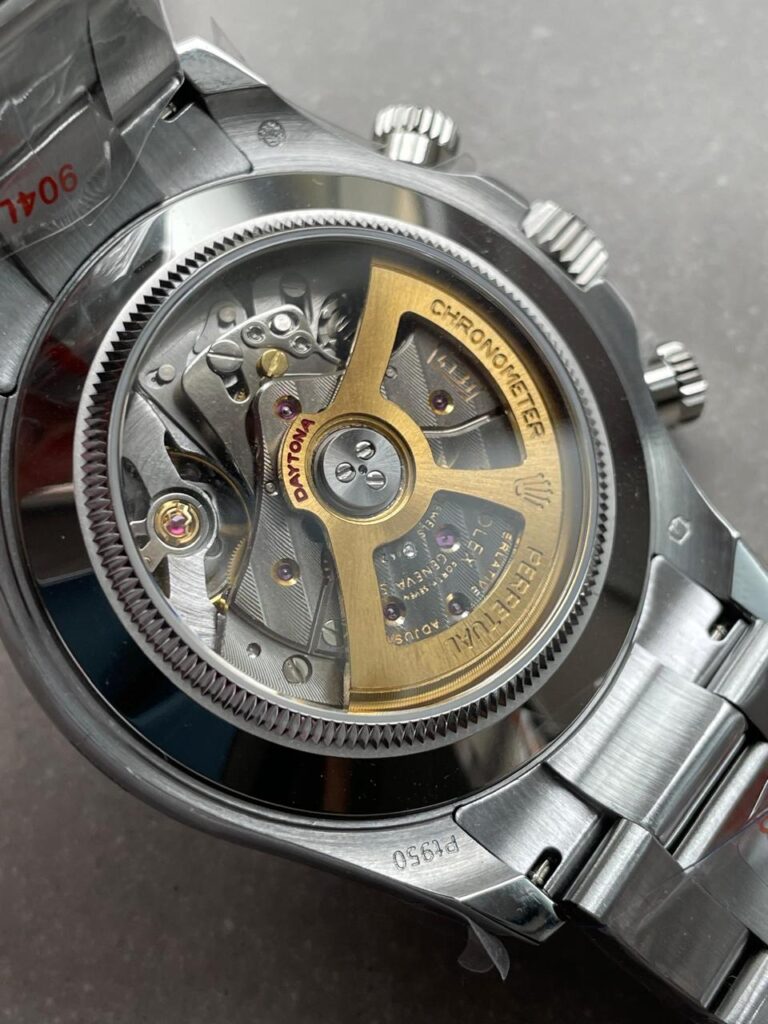
A clone 4130 Daytona movement isn’t living the same life as a basic automatic movement that’s only used to tell the time.
The expectations are different.
The wear is different.
The complexity is different.
Most Buyers Ask The Wrong Question
The question usually sounds like this:
“How long will it last?”
A better question is:
“How long will it run well?”
There’s a difference.
A movement can technically keep running for years.
That doesn’t mean it’s running accurately.
It doesn’t mean the winding still feels smooth.
It doesn’t mean the power reserve is performing the way it should.
Experienced buyers tend to focus on reliability rather than lifespan.
Modern Clone Movements Are Better Than They Used To Be
Five or six years ago, movement discussions were very different.
A lot of buyers expected problems.
Some movements were inconsistent.
Others felt rough straight out of the box.
Quality control varied significantly between factories.
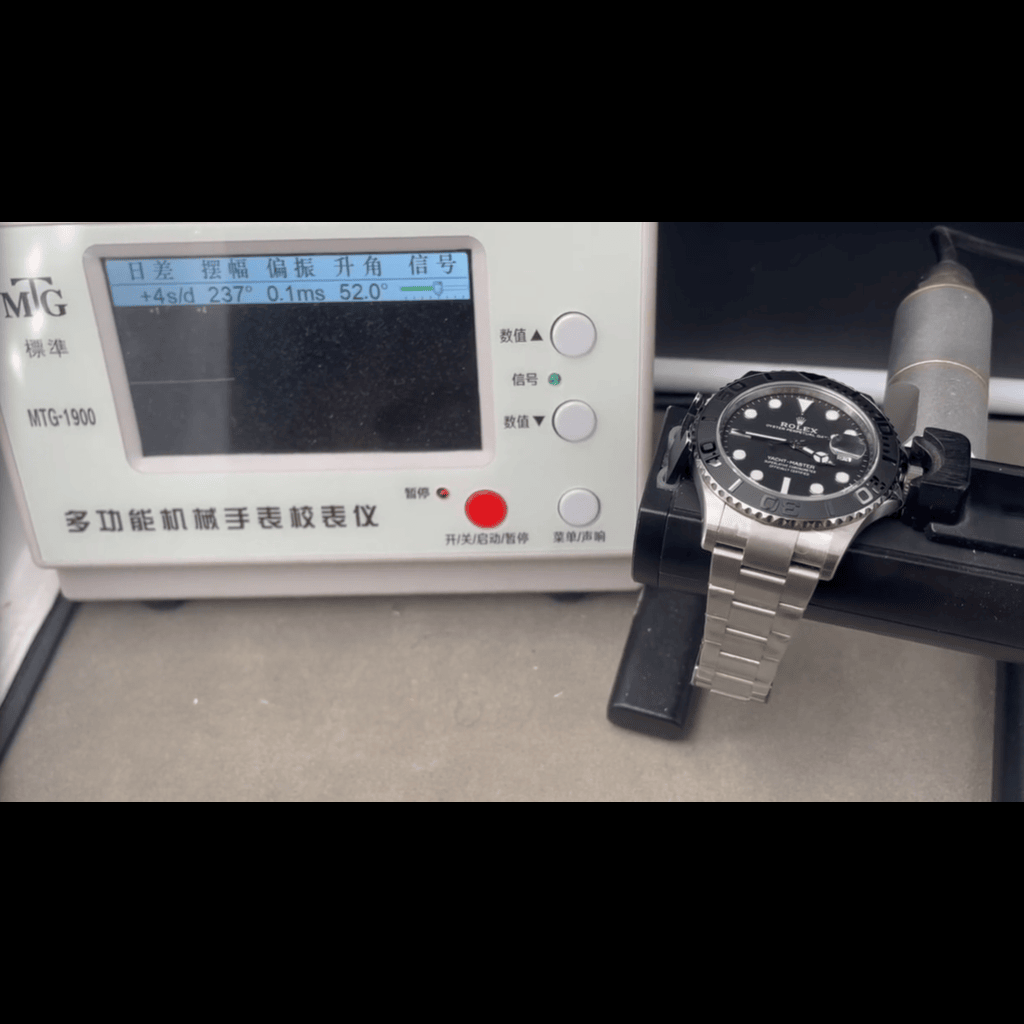
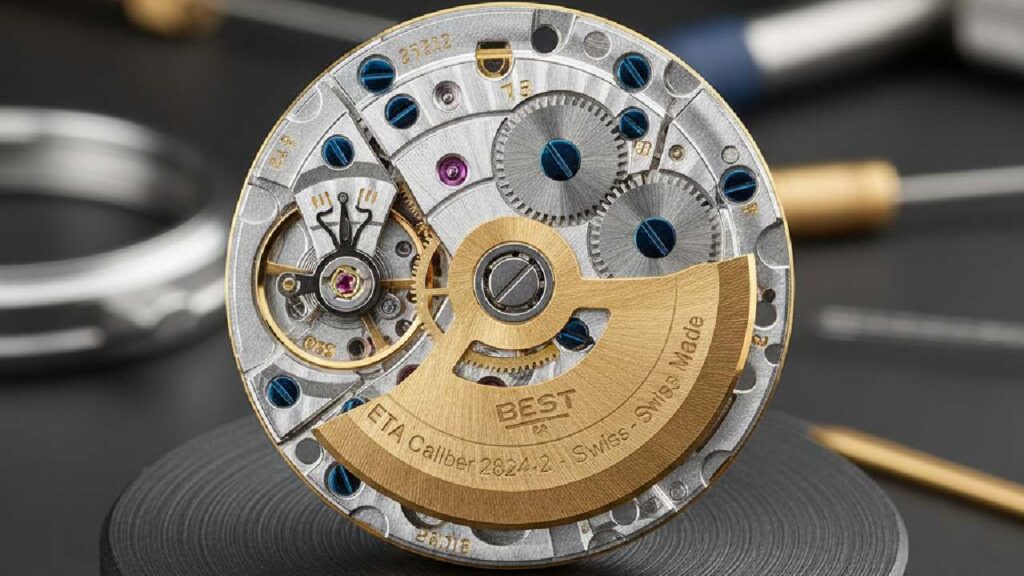
Today’s higher-end clone movements are much better.
Movements like:
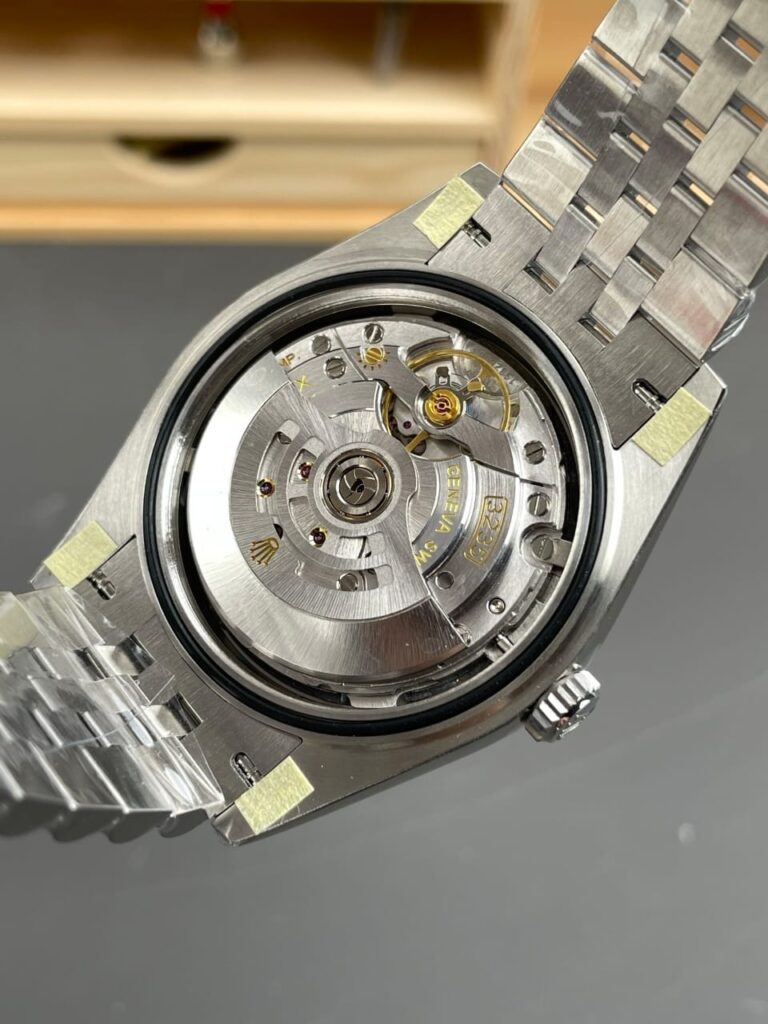
- Clone 3235
- Clone 3285
- Clone 3255
- Clone 4130
- Clone 4131
have improved dramatically compared to older generations.
That’s one reason they’re discussed so often.
People are actually living with these watches for years now.
Usage Matters More Than People Realize
Two identical watches can age completely differently.
One gets worn twice a month.
The other gets worn every day.
One owner keeps the crown sealed.
The other constantly adjusts the time.
One spends most of its life in a watch box.
The other travels through airports every week.
The movement doesn’t know how much the watch cost.
It only knows how much work it’s doing.
That’s why lifespan varies so much between owners.
Daytona Owners Usually Learn This First
Chronographs naturally have more going on inside.
More parts.
More interaction.
More wear points.
That’s not a criticism.
It’s simply reality.
A Daytona that sees heavy chronograph use will generally experience more movement activity than a simple three-hand watch.
That’s one reason some collectors choose a Datejust or Submariner as a daily wearer and reserve the Daytona for specific occasions.
Not because the Daytona is weak.
Because complexity always adds variables.
Servicing Changes Everything
This is the part many buyers overlook.
Most discussions focus on how long a movement lasts without service.
That’s the wrong comparison.
Mechanical movements are designed to be maintained.
Just like a car.
Just like almost any machine with moving parts.
A properly serviced movement can remain enjoyable to wear far longer than a neglected one.
The problem is that many owners never think about servicing until something feels wrong.
The First Signs Of Wear
Movements rarely fail dramatically.
Usually they start talking to you first.
Maybe the power reserve feels shorter.
Maybe accuracy begins drifting.
Maybe winding doesn’t feel quite as smooth as it used to.
Maybe the rotor sounds different.
Small changes tend to appear before major problems.
Experienced owners notice these things because they’ve worn the watch regularly.
The Internet Loves Extreme Stories
Spend enough time reading forums and you’ll find two types of posts.
The first:
“My movement failed after six months.”
The second:
“I’ve worn mine for four years without a single issue.”
Both can be true.
Neither tells you what your experience will be.
People rarely post when everything is normal.
They post when something goes very right or very wrong.
That’s why online lifespan discussions can become misleading.
What Experienced Buyers Care About
Interestingly, most long-term collectors stop asking how long a movement will last.
Instead they ask:
How does it perform today?
How consistent is it?
How reliable is the factory behind it?
How easy is it to service if needed?
Those questions usually provide more useful information than trying to predict an exact lifespan.
Because nobody can.
The Ownership Reality
Most buyers don’t replace a watch because the movement suddenly dies.
They replace it because their interests change.
They discover another model.
Another factory.
Another project.
The hobby moves faster than the movement wears out.
That’s something many new buyers don’t realize.
Watch collecting isn’t always rational.
People often buy their next watch long before the current one reaches the end of its life.
So How Long Do Clone Movements Last?
The honest answer is:
Longer than many people expect.
But not forever.
A well-built clone movement that is worn responsibly and maintained when necessary can provide years of reliable use.
A poorly maintained movement that’s constantly abused may not.
There’s no magic number.
Anyone giving you one is probably guessing.
Final Thoughts
The best clone movements today are significantly better than what buyers had access to a few years ago.
That’s one reason discussions around movements have shifted from:
“Will it work?”
to:
“How well does it perform over time?”
That’s a much better conversation.
Because movement quality isn’t really measured by how impressive it looks on a specification sheet.
It’s measured by whether the watch still feels enjoyable to wear after the excitement of unboxing has disappeared.
And that’s something only time can answer.








Recent Comments